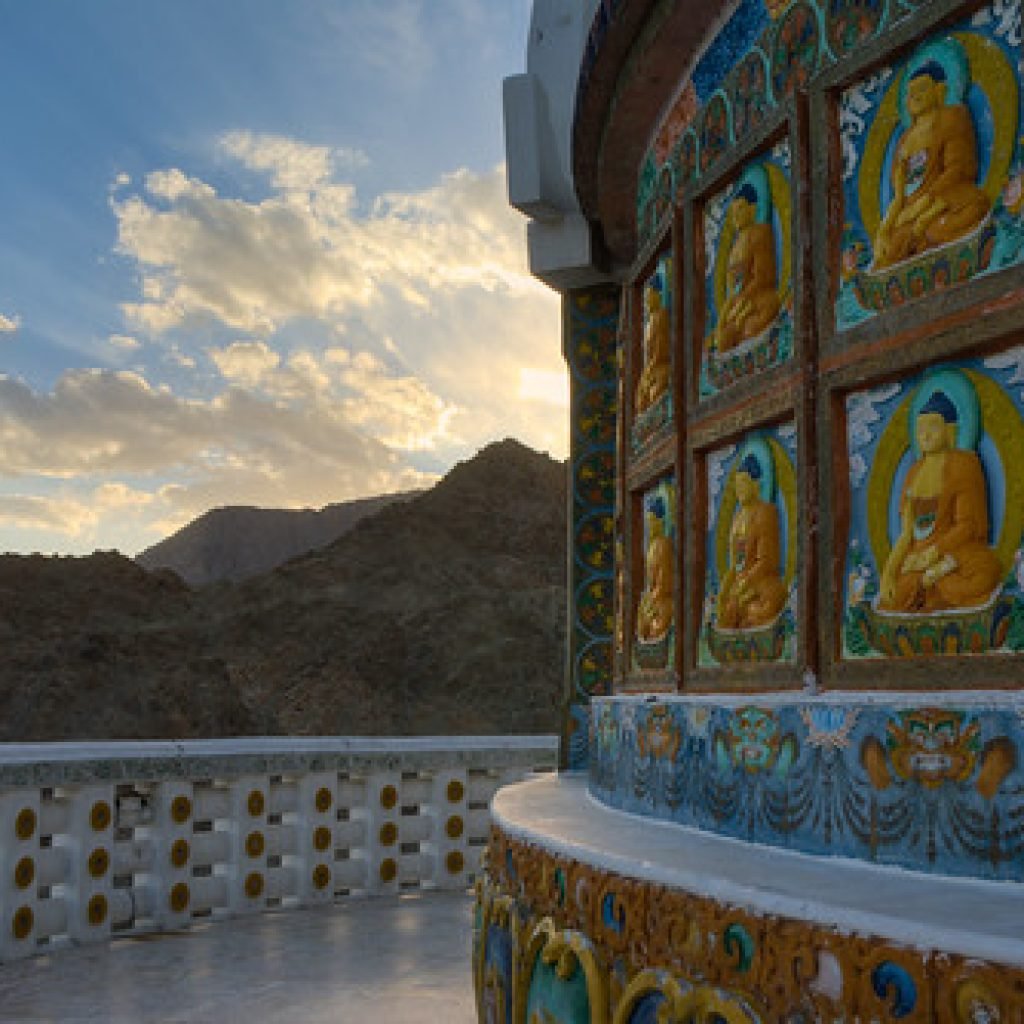
Leh is a high-altitude city in the Indian state of Ladakh. It is located at an altitude of 3,500 meters (11,500 feet) above sea level, and is surrounded by the towering Himalayas. Leh is a popular tourist destination, known for its stunning scenery, Buddhist monasteries, and vibrant culture.
Leh Palace
Leh Palace stands as a proud testament to the rich history and architectural grandeur of the region of Ladakh. This imposing structure, perched on a hilltop overlooking the breathtaking Leh town, is an embodiment of the cultural heritage and royal legacy of the Ladakhi kingdom.
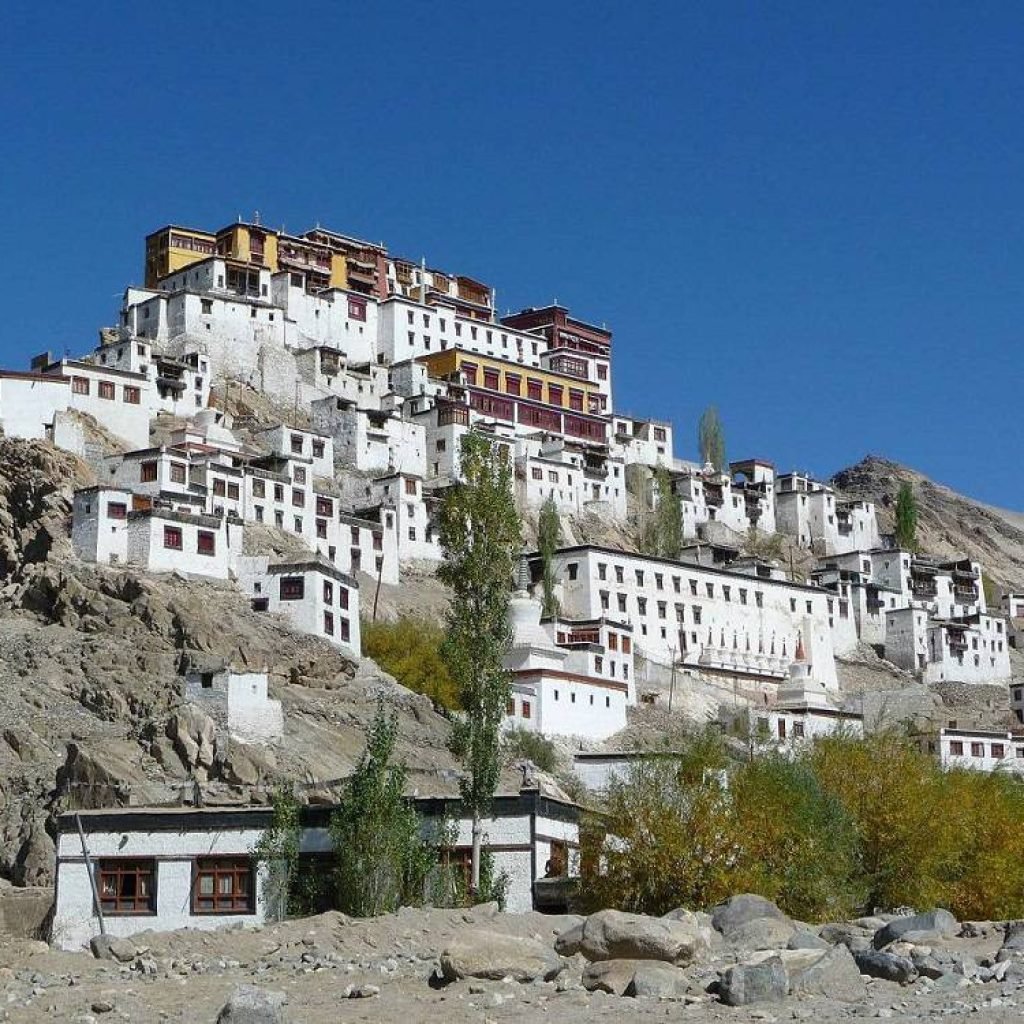
Dating back to the 17th century, Leh Palace was constructed under the reign of King Sengge Namgyal as a royal residence and symbol of his power. The palace was home to the royal family until the mid-19th century, and it played a significant role in the political and cultural affairs of Ladakh. Its strategic location allowed the king to keep a watchful eye on the trade routes and safeguard the kingdom from external threats.
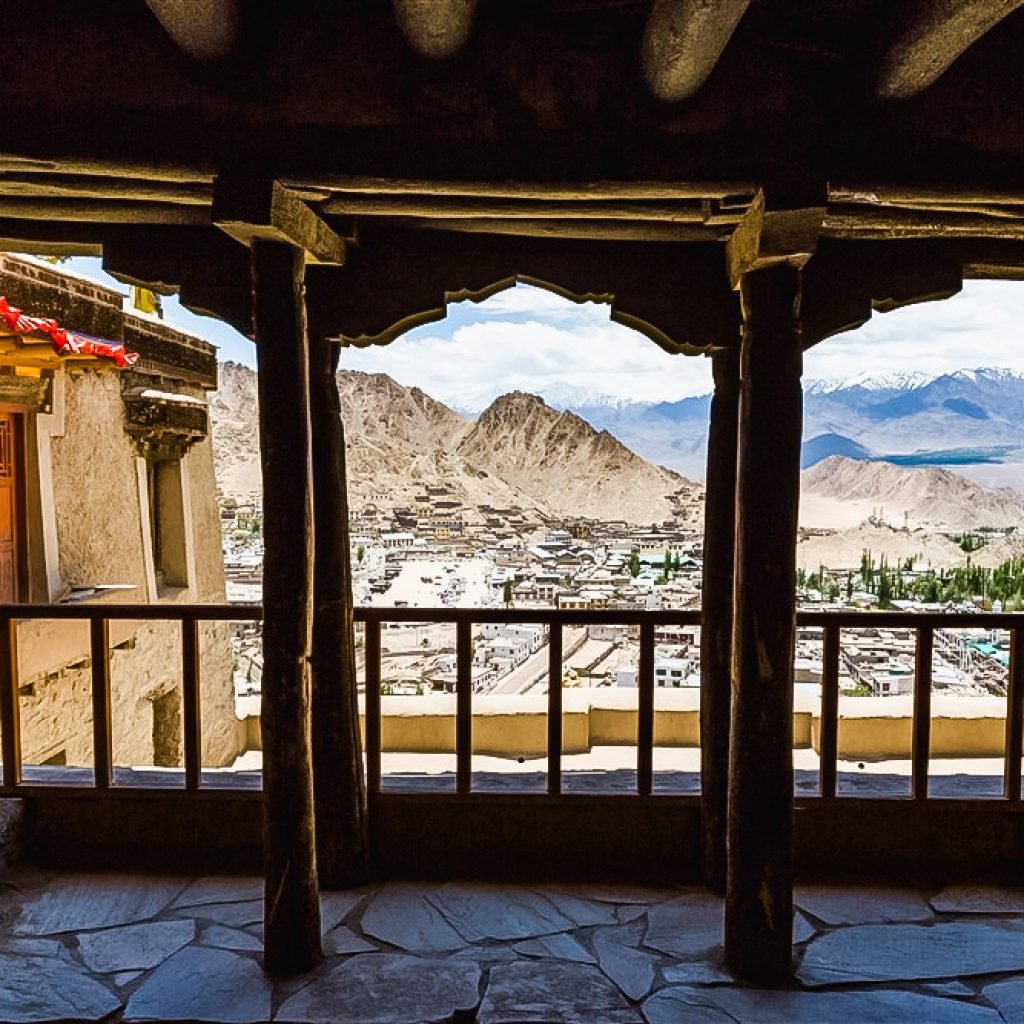
Leh Palace is a fine example of Tibetan architecture infused with local influences. Built with locally available materials such as wood, stones, and mud bricks, the palace stands tall with its nine-storied structure. Each floor of the palace served a specific purpose, including living quarters, assembly halls, and storage areas. The intricate woodwork, ornate paintings, and beautiful murals adorning the walls showcase the artistic brilliance of the bygone era.
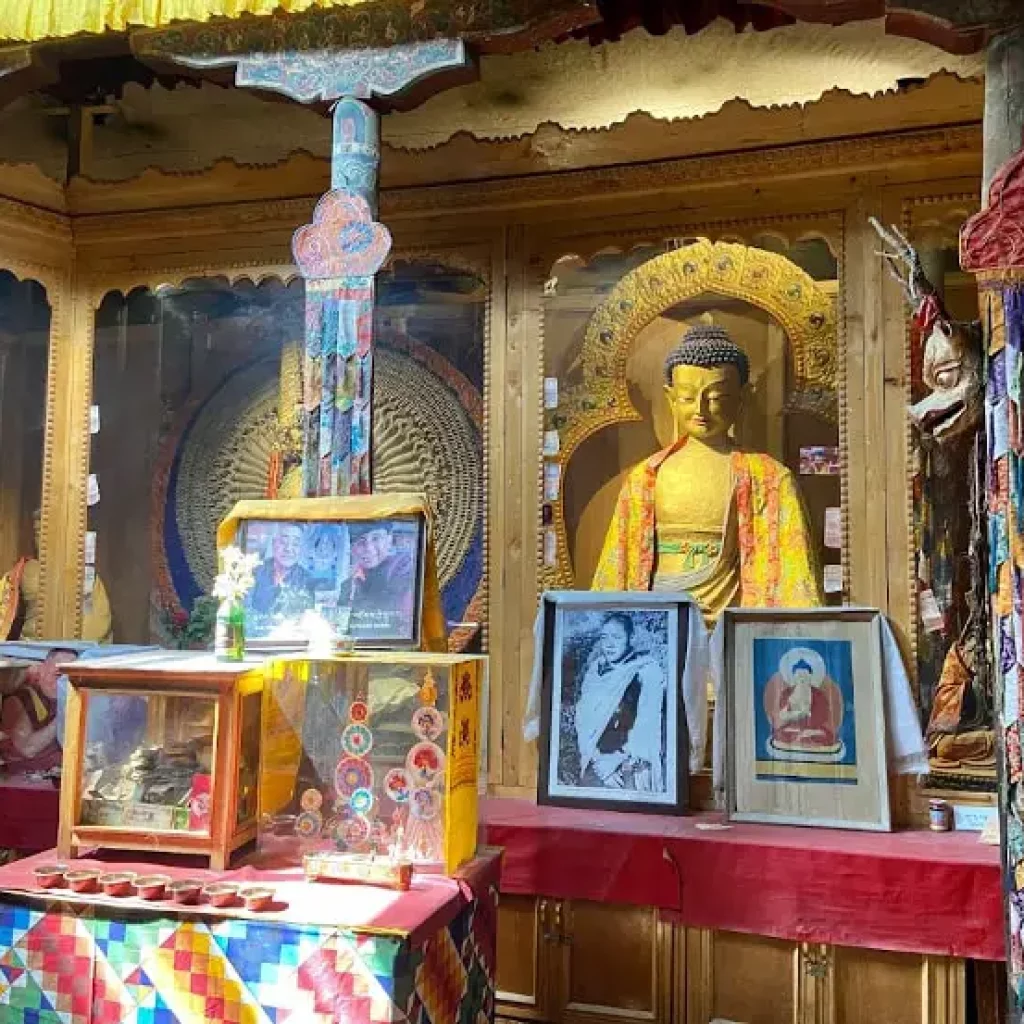
One of the most captivating aspects of visiting Leh Palace is the breathtaking panoramic views it offers. As you ascend the stairs and explore the various floors, you’ll be treated to stunning vistas of Leh town, the Indus River, and the surrounding snow-capped mountains. The mesmerizing sight of the sun setting behind the peaks, casting a warm glow over the entire landscape, is an experience that will stay etched in your memory forever.
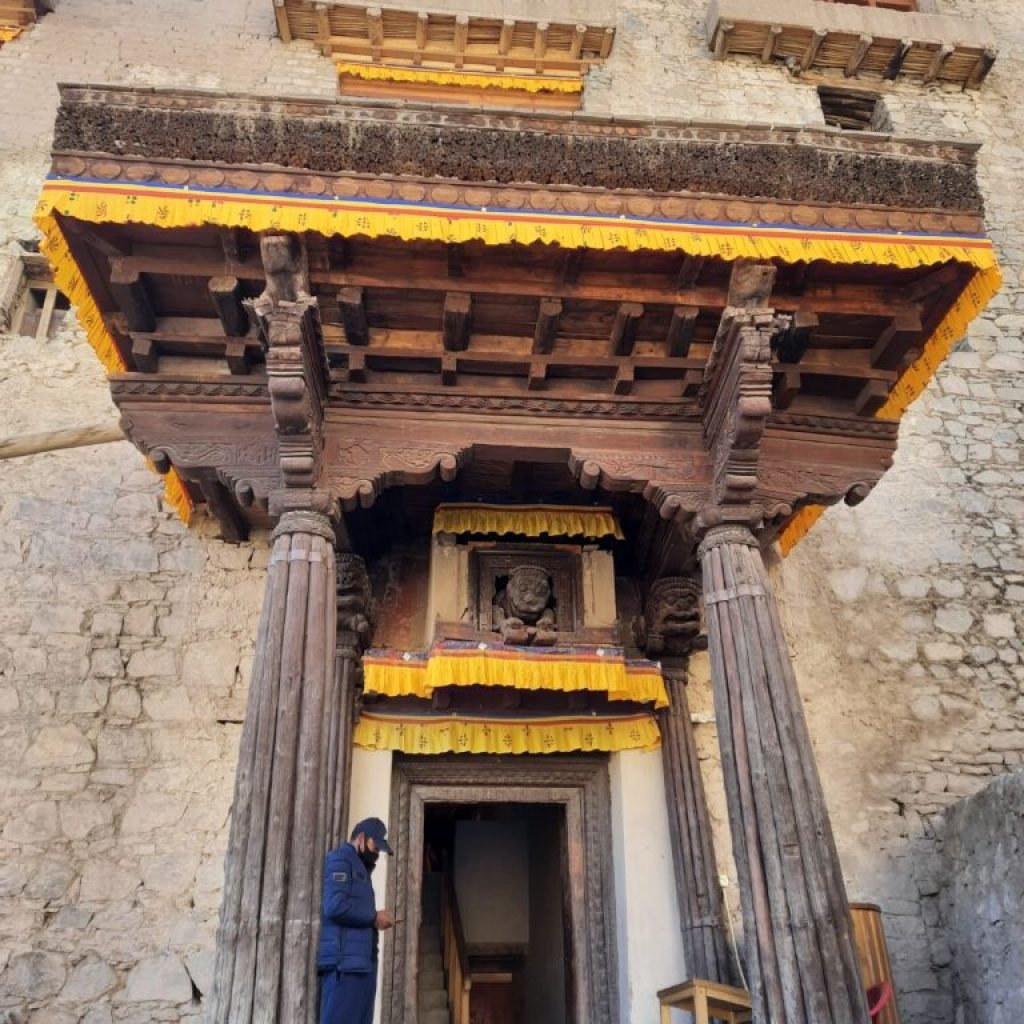
While time has taken its toll on Leh Palace, efforts have been made to restore and preserve this cultural gem. The Archaeological Survey of India has been instrumental in maintaining the palace and ensuring its structural integrity. Walking through the corridors and rooms, you can feel a sense of reverence for the past, as if the palace is whispering tales of the kingdom’s glory and the lives lived within its walls.
Shanti Stupa: A Beacon of Peace
Perched high in Ladakh, Shanti Stupa radiates serenity and spirituality. Built to promote peace, this Buddhist monument offers breathtaking views and a tranquil atmosphere. Let’s explore the beauty and significance of Shanti Stupa.
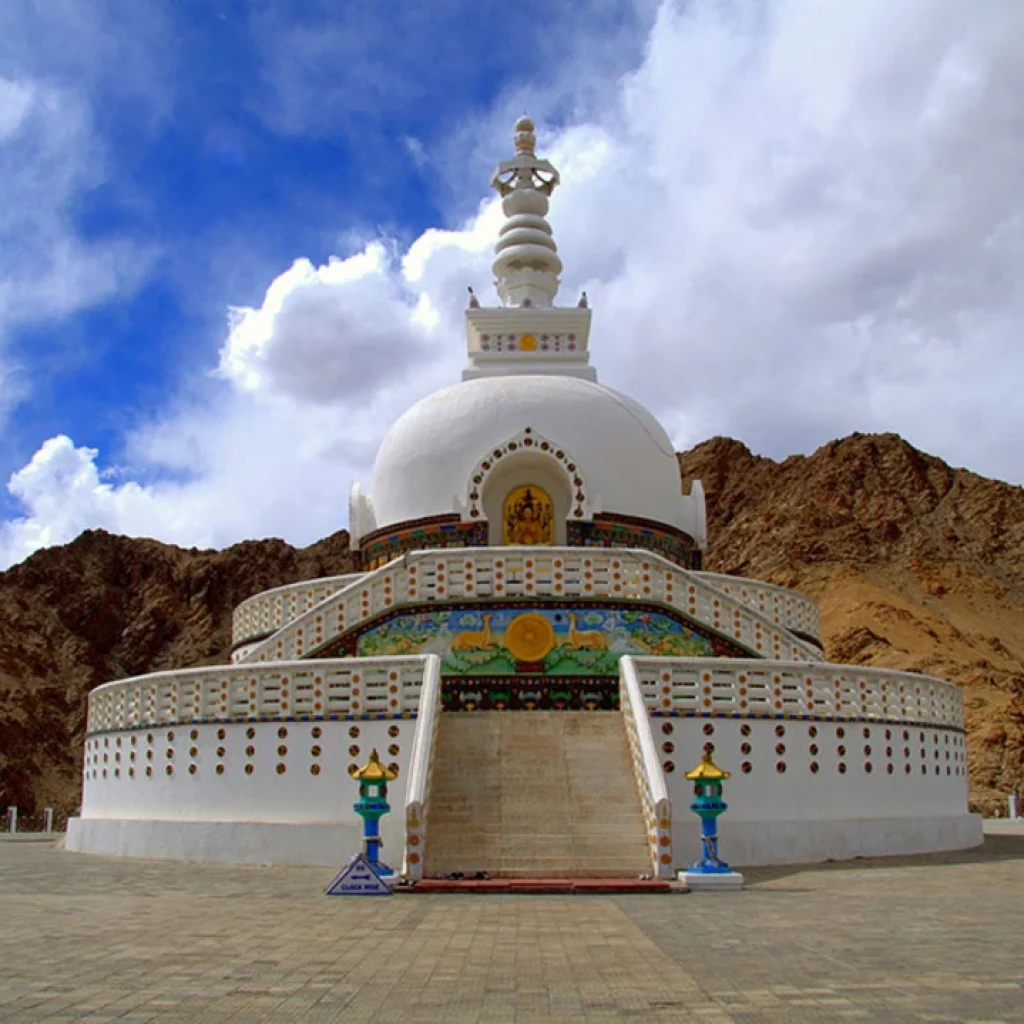
Shanti Stupa represents harmony and goodwill among nations. Its colorful design and intricate carvings inspire compassion and non-violence, reminding us of universal values. Ascend the steps for panoramic vistas of the Himalayas, Indus River, and Leh town. Sunrise and sunset paint the sky, creating a magical and peaceful ambiance.
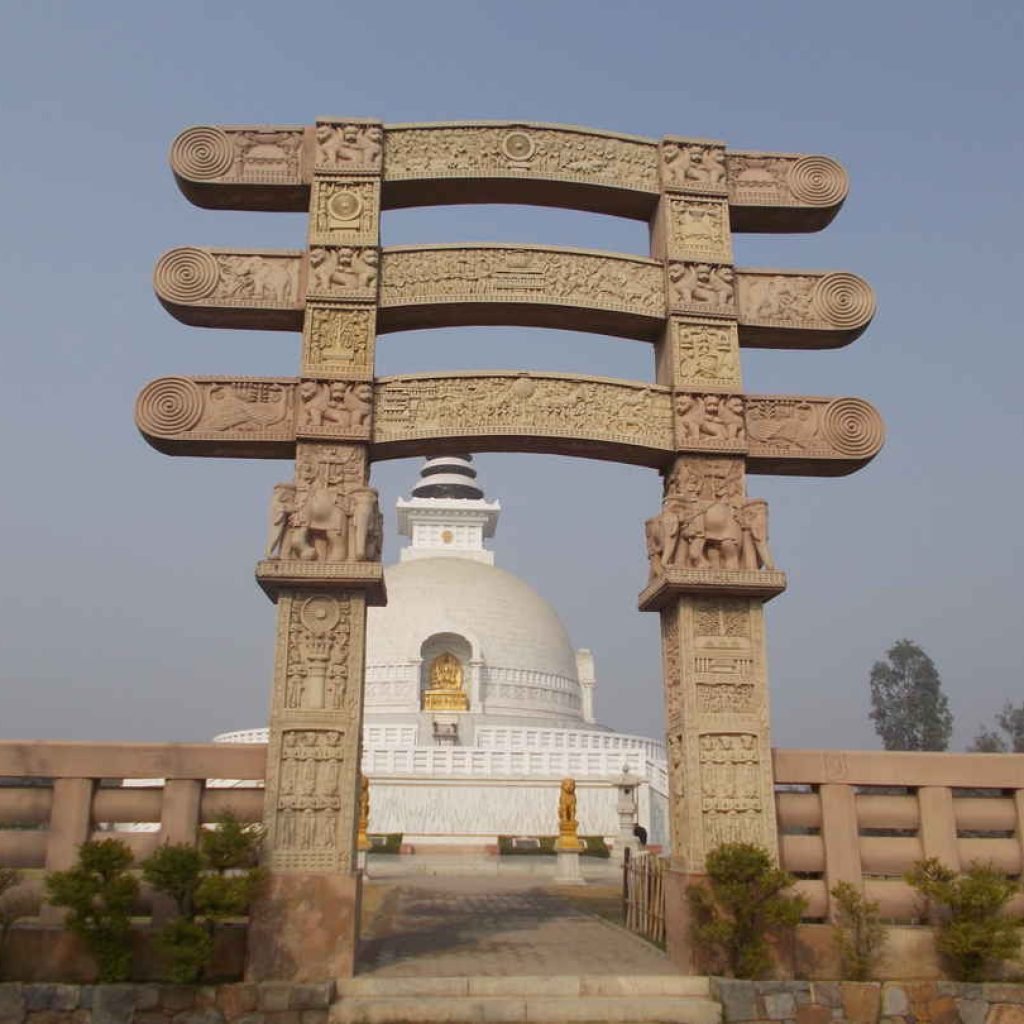
For Buddhists and seekers, Shanti Stupa is a sacred haven. Meditate, spin prayer wheels, and embrace inner peace amid the chants, prayer flags, and incense. The white purity of Shanti Stupa and its golden dome symbolize peace and the enlightened mind of Buddha. Artistic elements depict his life and inspire reverence.
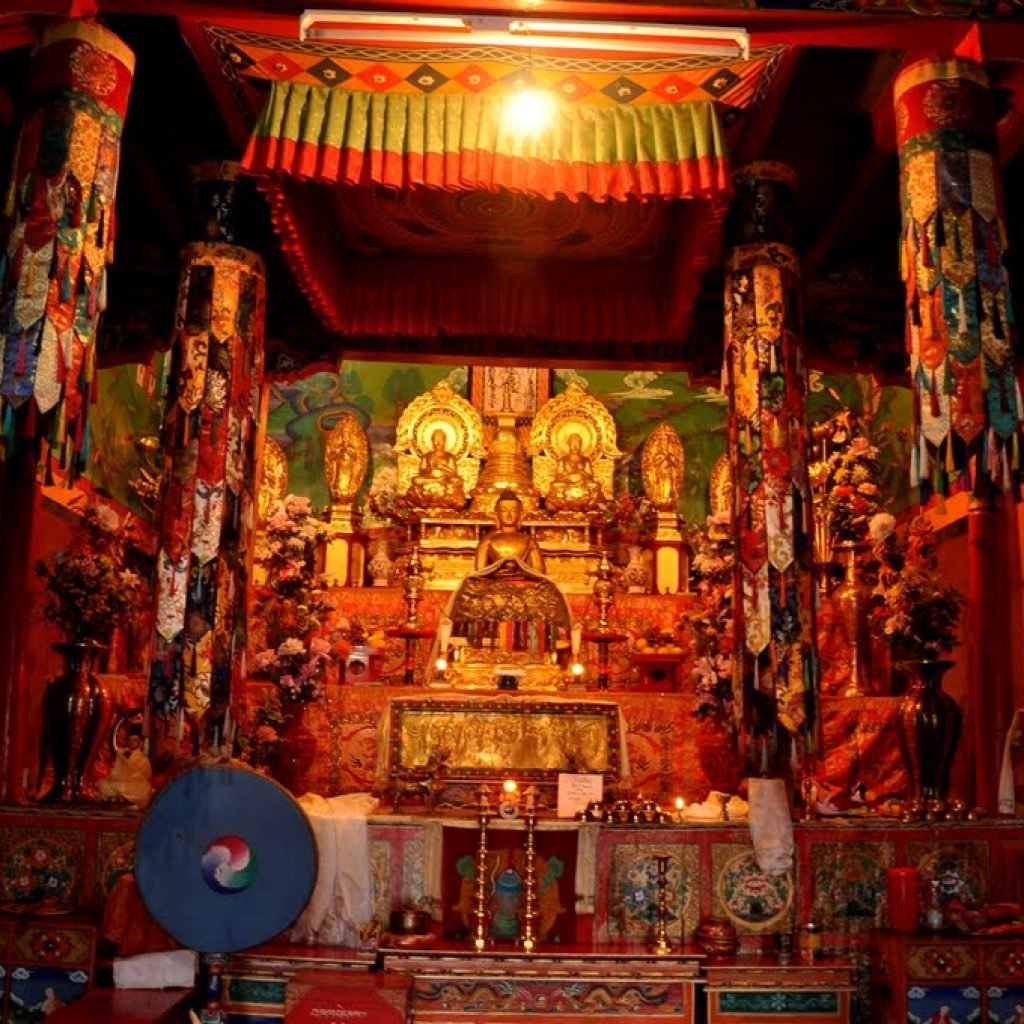
Disconnect from the world’s noise and find serenity at Shanti Stupa. Stand atop the hill, soak in nature’s beauty, and feel inner peace pervade your being. Shanti Stupa invites visitors to discover tranquility and reconnect with their inner selves. This sacred monument stands as a beacon of peace, inspiring harmony and a renewed commitment to fostering a peaceful world.