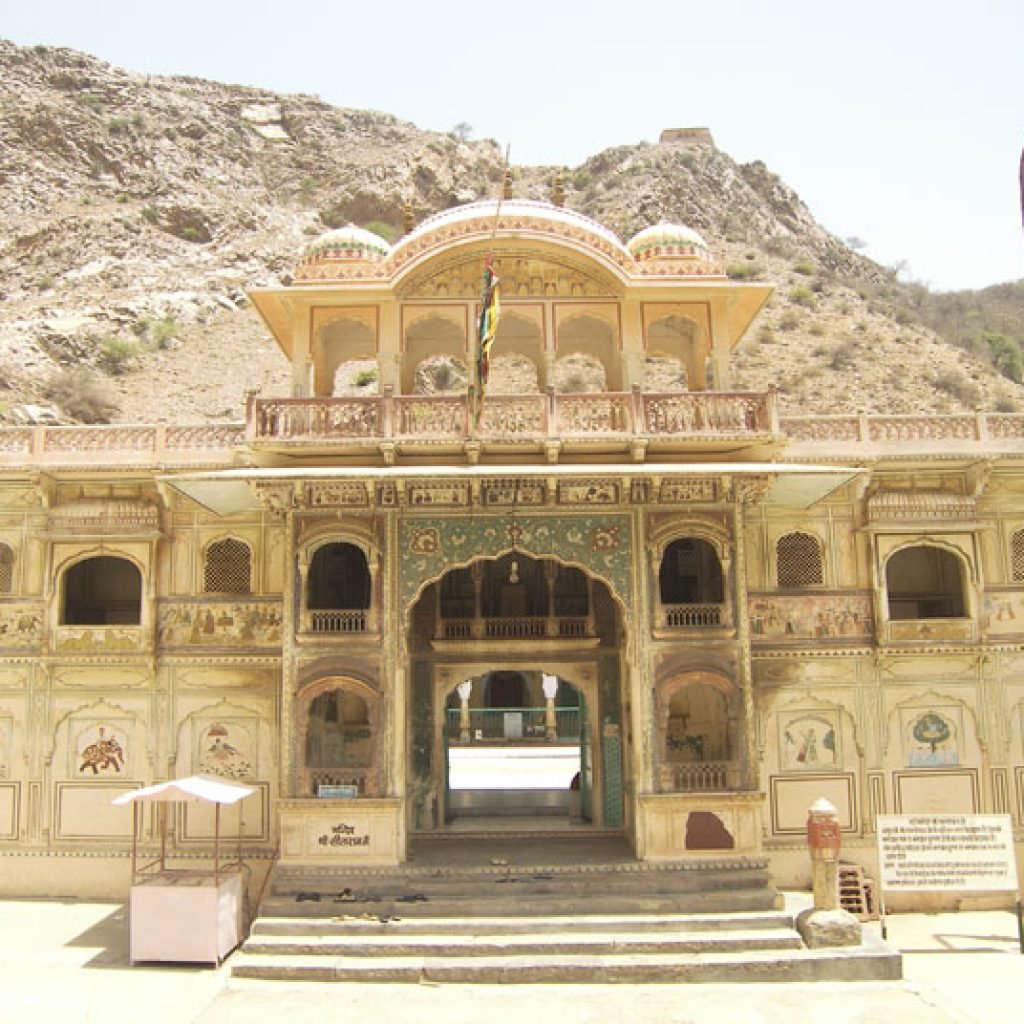
Jaipur, the vibrant capital of Rajasthan, India, known as the “Pink City,” invites visitors into a world of royalty and splendor. With its magnificent palaces, bustling markets, and rich cultural heritage, Jaipur captures the essence of India’s regal past and offers a kaleidoscope of colors, flavors, and architectural wonders.
Amber Fort
Long time ago, high upon the hills surrounding Jaipur, a majestic fortress emerged—Amber Fort. Its towering walls stood as guardians of the kingdom, witnessing tales of valor and royalty.
As you approach the fort, you are greeted by a magnificent gateway, Suraj Pol, the Sun Gate. It beckons you to step into a world of opulence and grandeur. The fort’s honey-colored sandstone glows warmly under the sun, casting a magical aura.
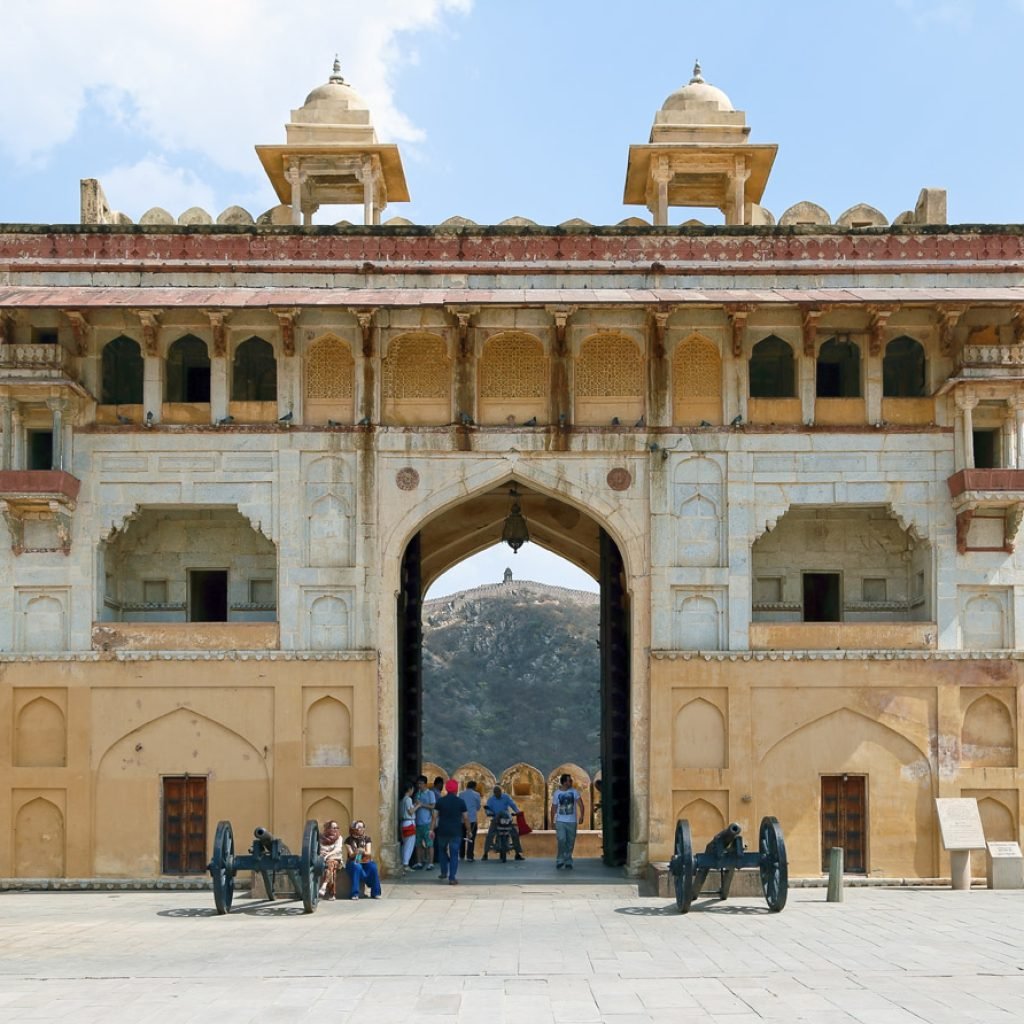
Inside, a labyrinth of courtyards, halls, and palaces unfolds. The Diwan-i-Aam, the hall of public audience, once hosted the emperor as he listened to the pleas and grievances of his subjects. The Sheesh Mahal, the Mirror Palace, mesmerizes with its walls adorned in intricate mirror work, reflecting a thousand twinkling stars.
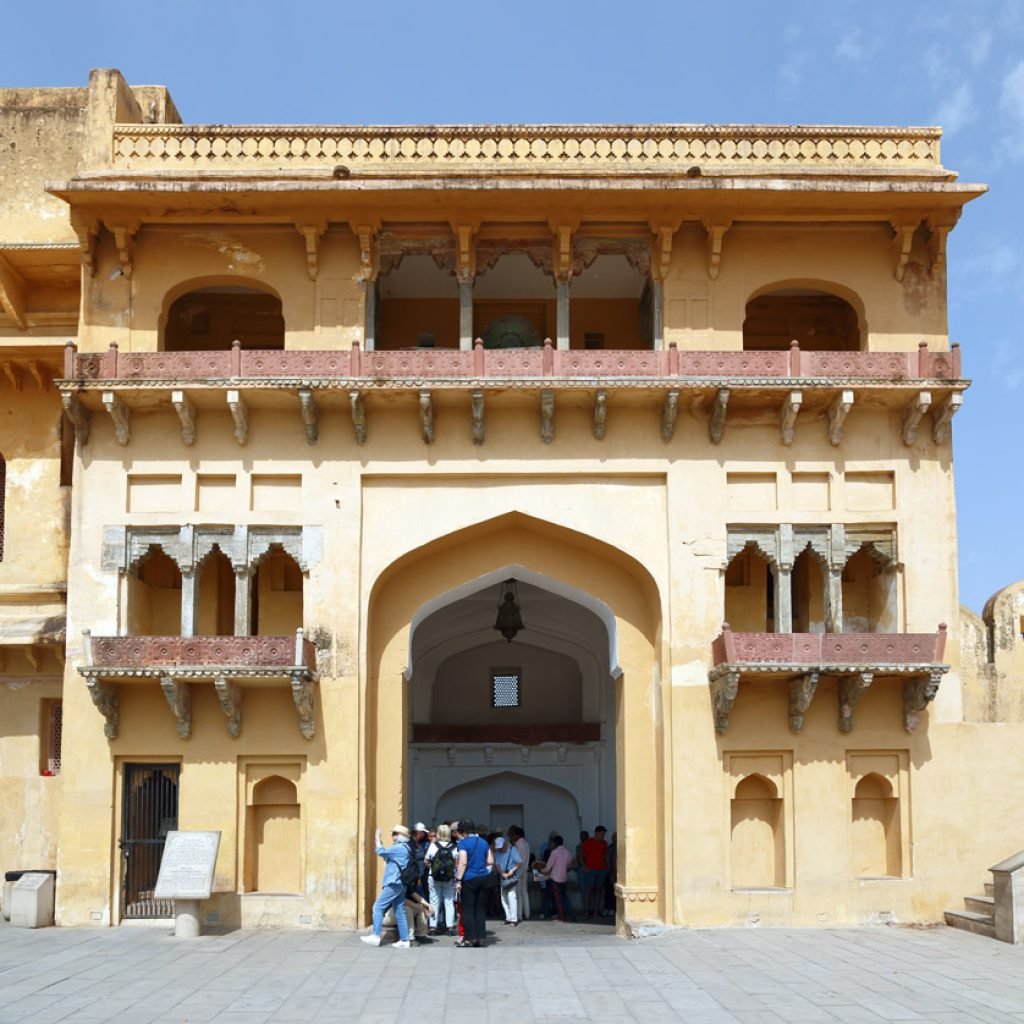
Venture deeper into the fort, and you’ll find the private chambers of the royal family. The Sukh Niwas, a chamber cooled by a network of water channels, provided respite from the scorching heat. The Zenana, the women’s quarters, whispers secrets of the queens and princesses who resided there.
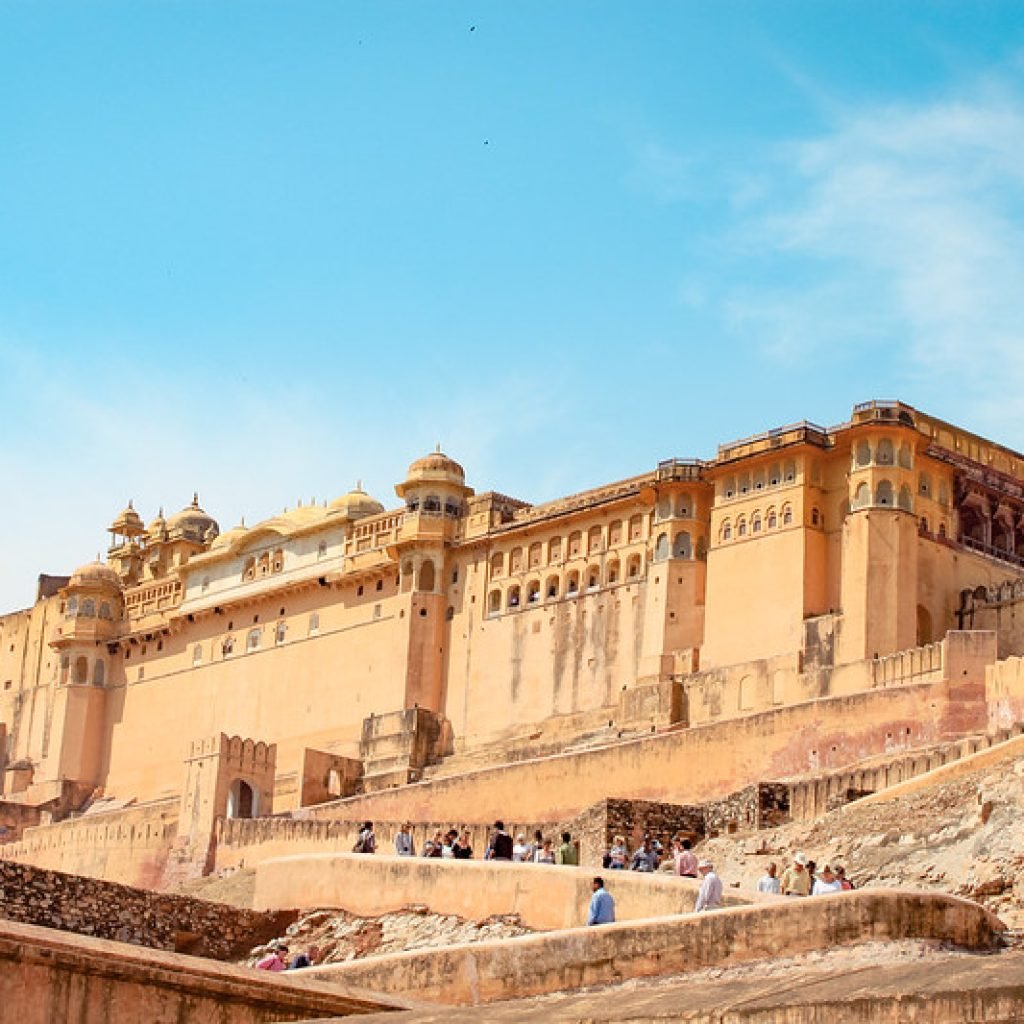
As you climb higher, the breathtaking views of the surrounding Aravalli hills unfold before your eyes. The panoramic vista serves as a reminder of the fort’s strategic location, its walls offering protection to the kingdom.
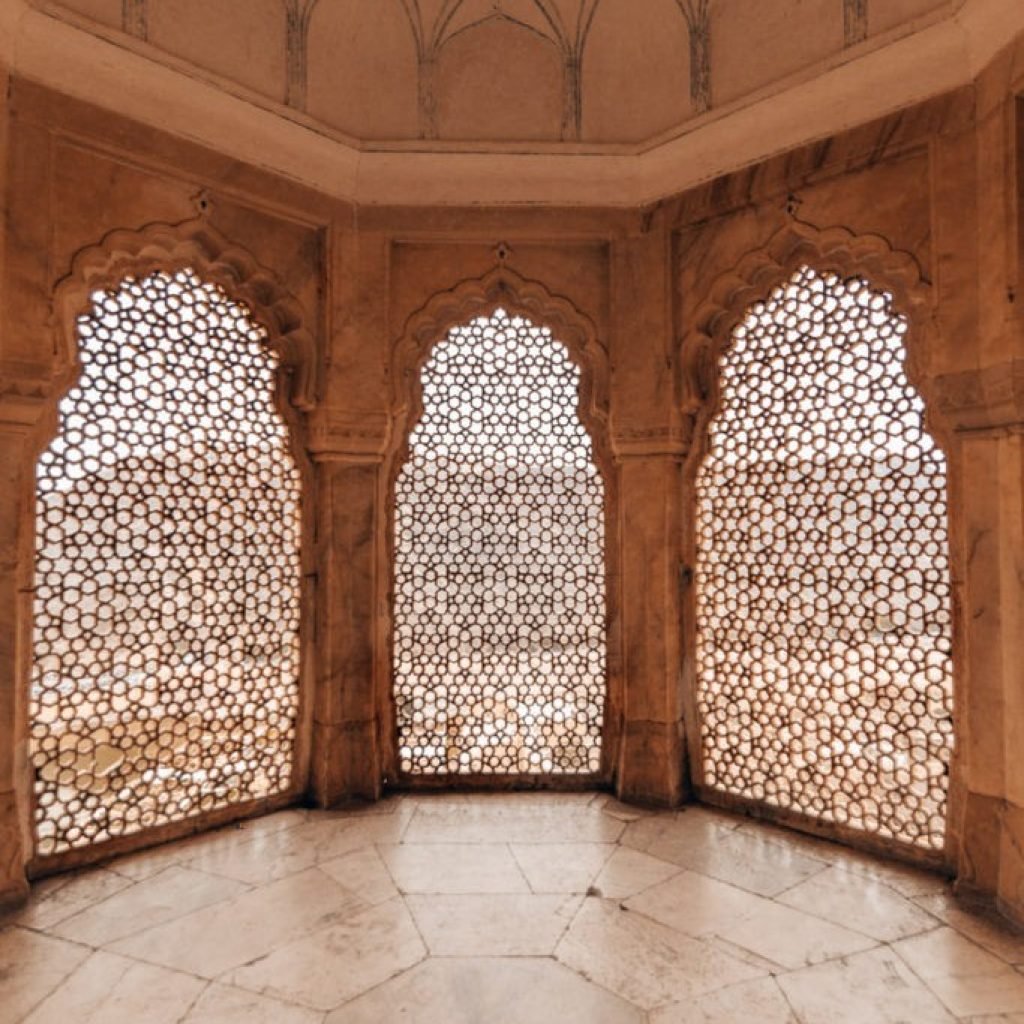
Amber Fort is not just a fortress; it is a living testament to the architectural brilliance of the Rajput era. Its intricate carvings, frescoes, and delicate marble inlays transport you to a bygone era of grandeur.
Today, visitors from around the world ascend its ramparts, their footsteps echoing the footsteps of kings and queens. The tales of love, valor, and dynasties intertwine, creating an aura of enchantment that captivates all who wander through its halls.
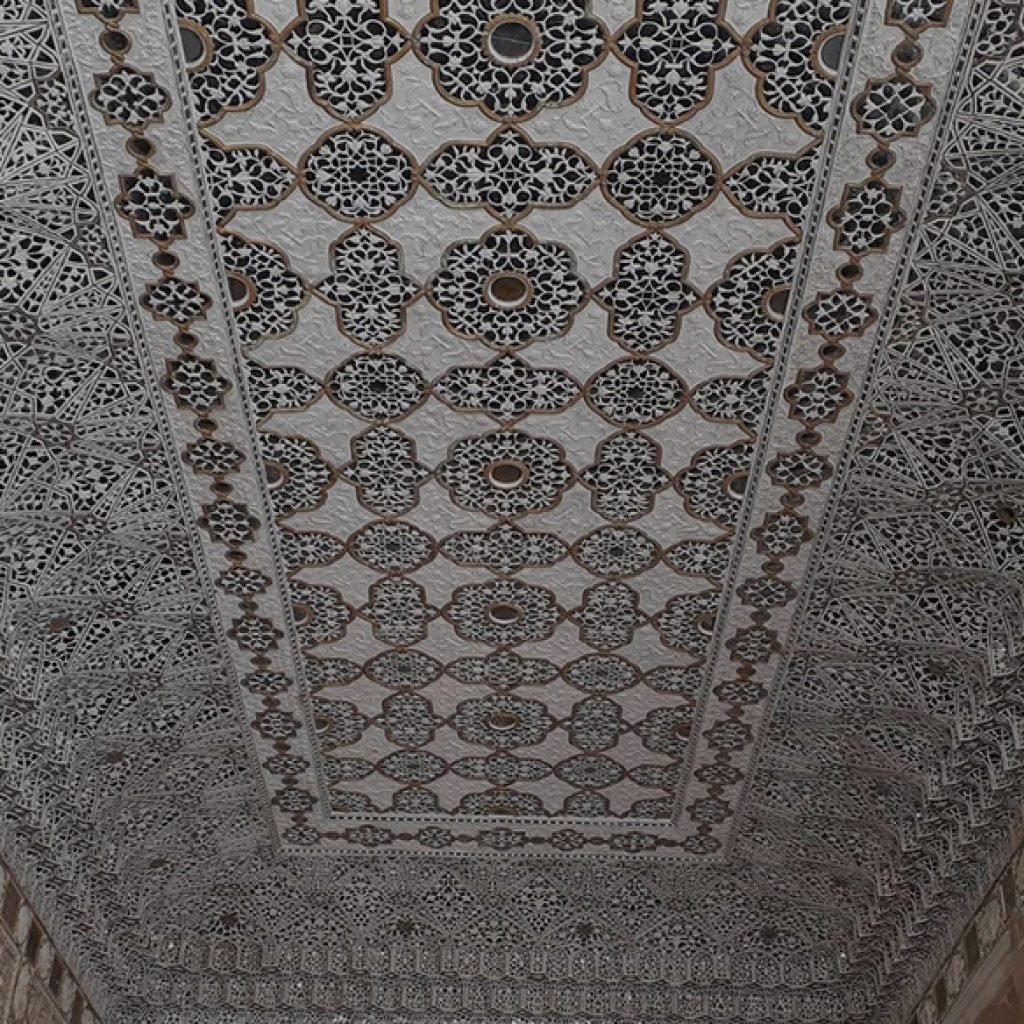
Amber Fort stands as a proud guardian of Jaipur’s heritage, a symbol of the city’s rich history and the enduring legacy of Rajasthan’s royal past. It invites you to embark on a journey through time, where the echoes of a glorious era still reverberate in the walls of this magnificent fortress.
City Palace
In the heart of Jaipur, a regal marvel awaits—City Palace. This architectural gem weaves a tale of royalty and splendor, inviting visitors to step into a world of grandeur and opulence.
As you enter the palace gates, the air becomes infused with a sense of majesty. Each step leads you deeper into a realm where kings and queens once roamed.
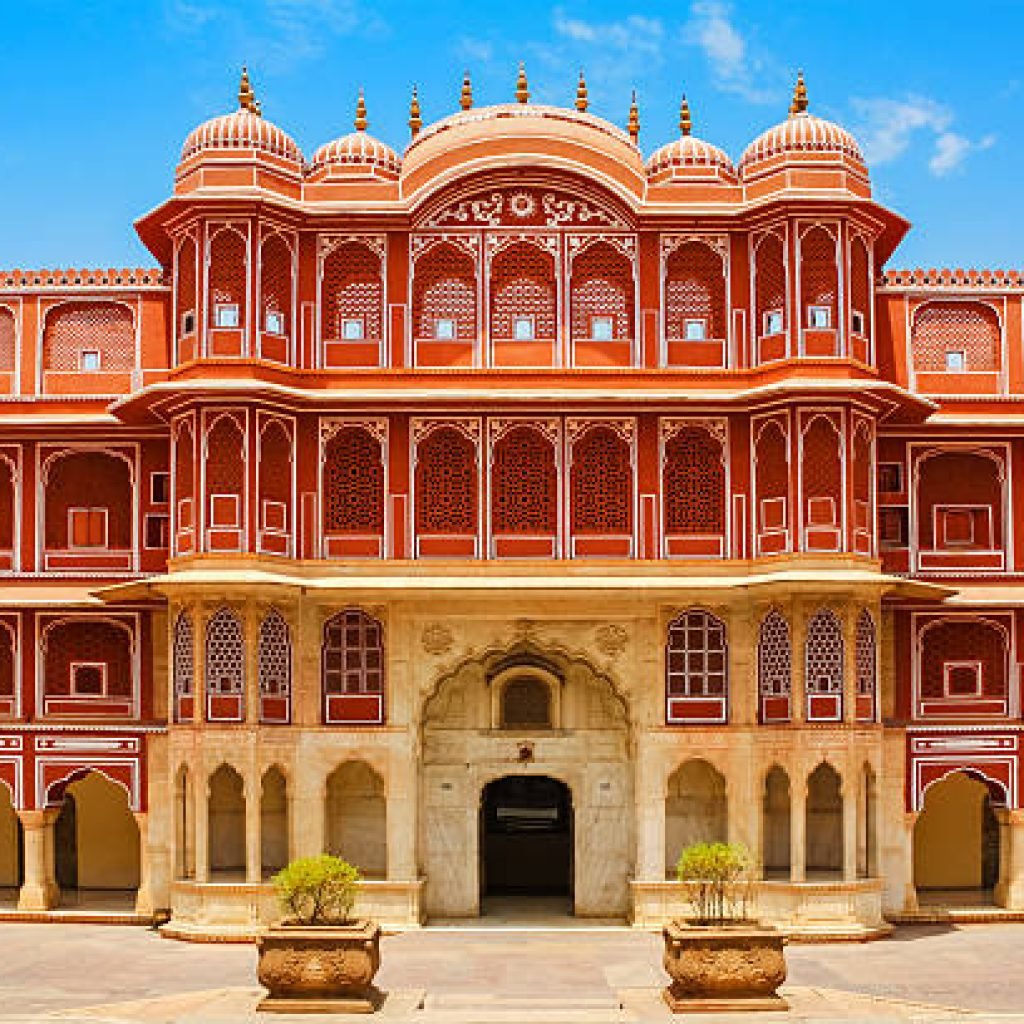
The palace complex unfolds like a treasure trove, with its ornate courtyards, intricately carved archways, and palatial halls. The Chandra Mahal, the moonlit palace, stands tall, adorned with delicate frescoes and mirror work.
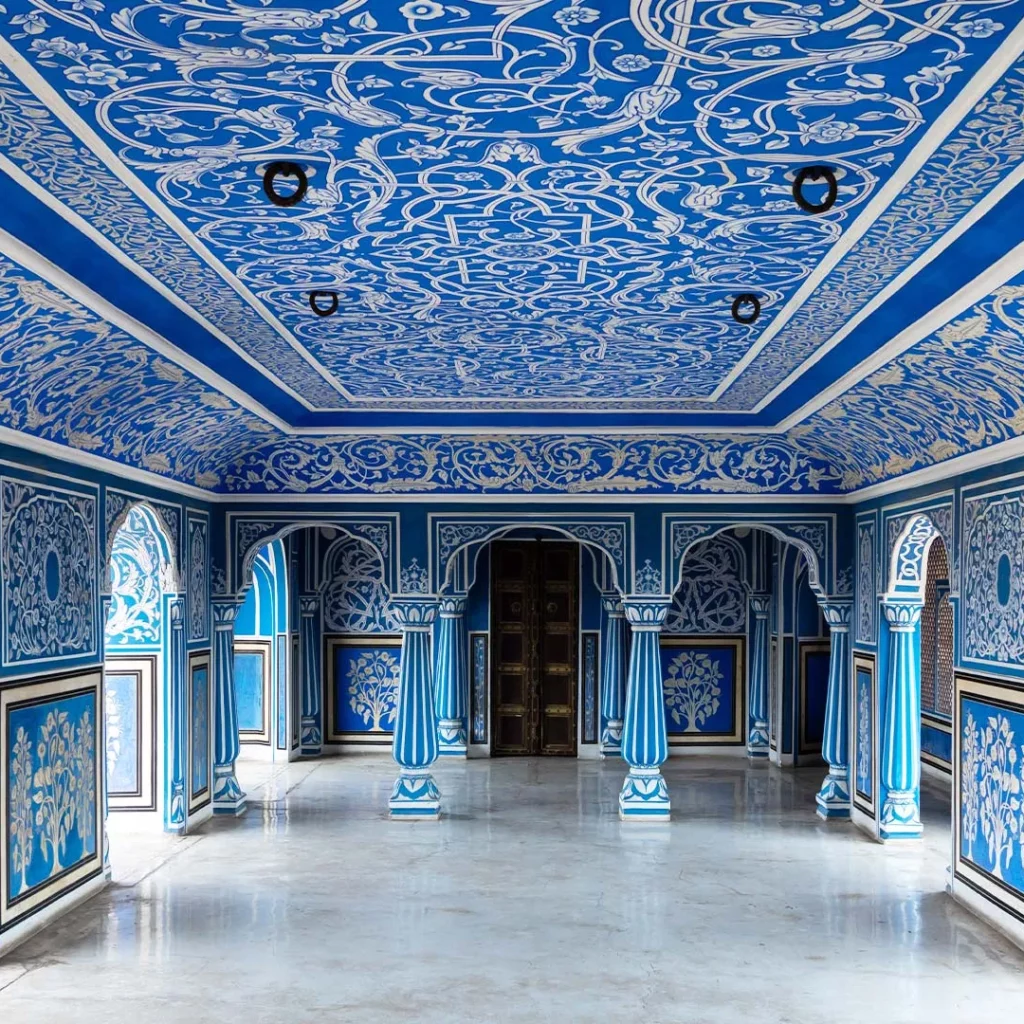
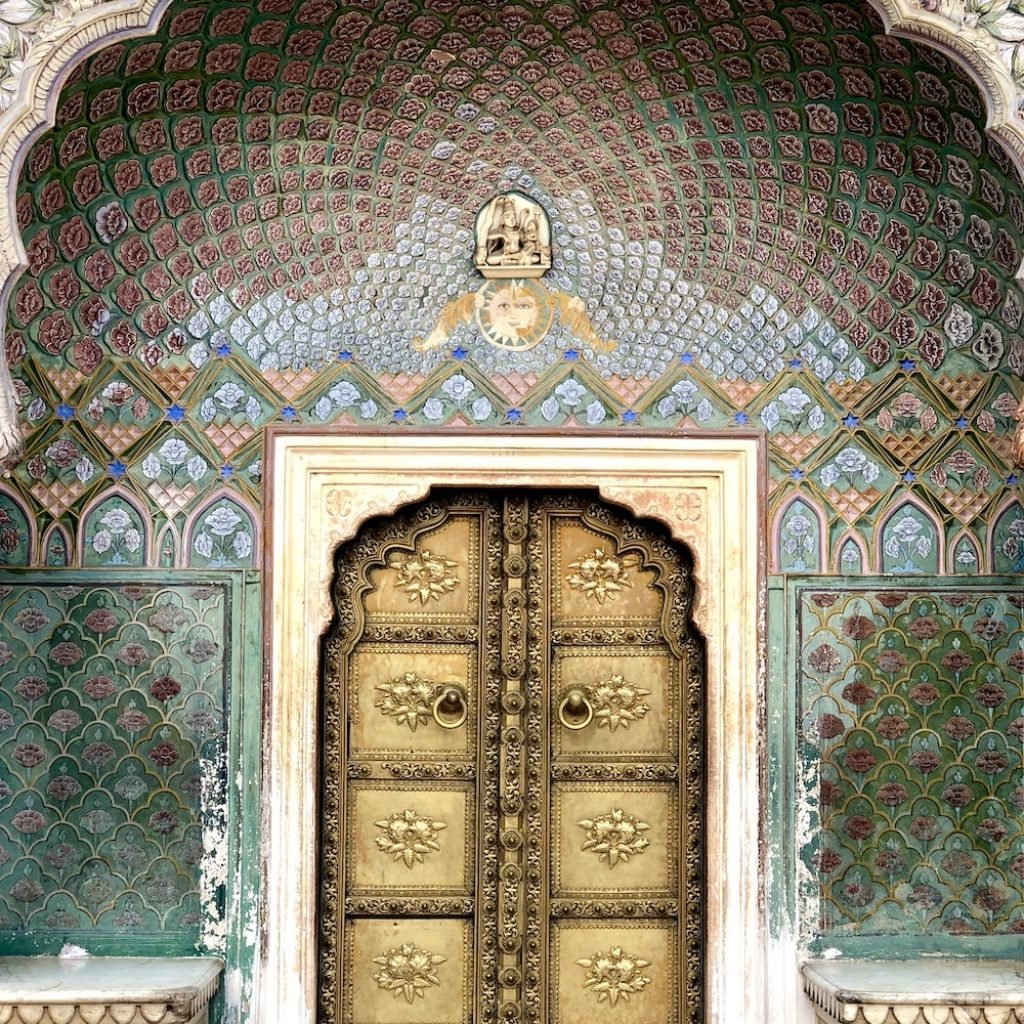
In the Diwan-i-Khas, the hall of private audience, the walls whisper secrets shared between kings and their trusted advisors. The Pritam Niwas Chowk, a courtyard adorned with colorful murals, pays homage to the seasons and their poetic allure.
Within the palace walls lies a museum, a treasure trove of artifacts, paintings, and royal heirlooms. Each exhibit narrates a story of Jaipur’s royal legacy, offering glimpses into the lives of its illustrious rulers.
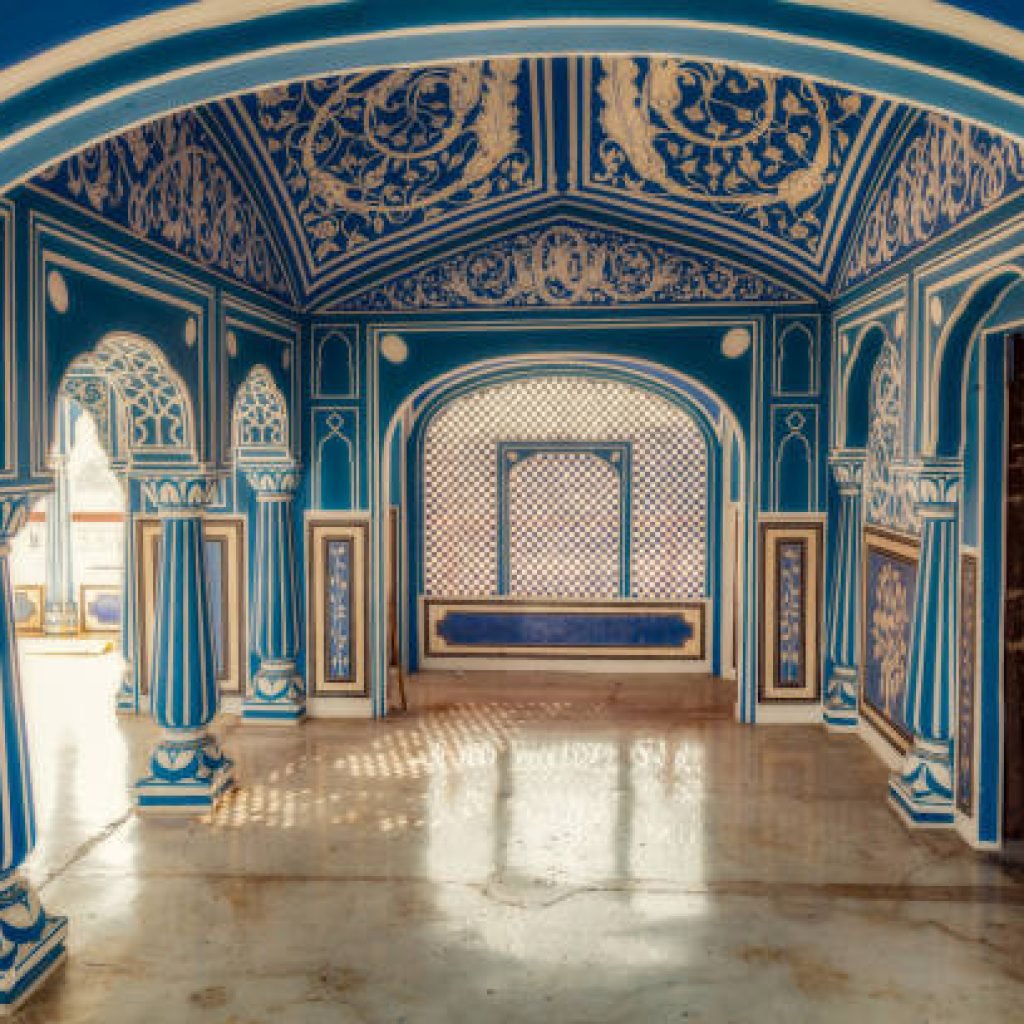
As you wander through the palace, the panoramic view from its balconies takes your breath away. The city unfolds below, its bustling streets and vibrant markets a stark contrast to the serenity within the palace walls.
City Palace stands as a testament to the architectural brilliance of the Rajput dynasty, an embodiment of the city’s regal heritage. It serves as a living link to the past, preserving the stories of a bygone era.
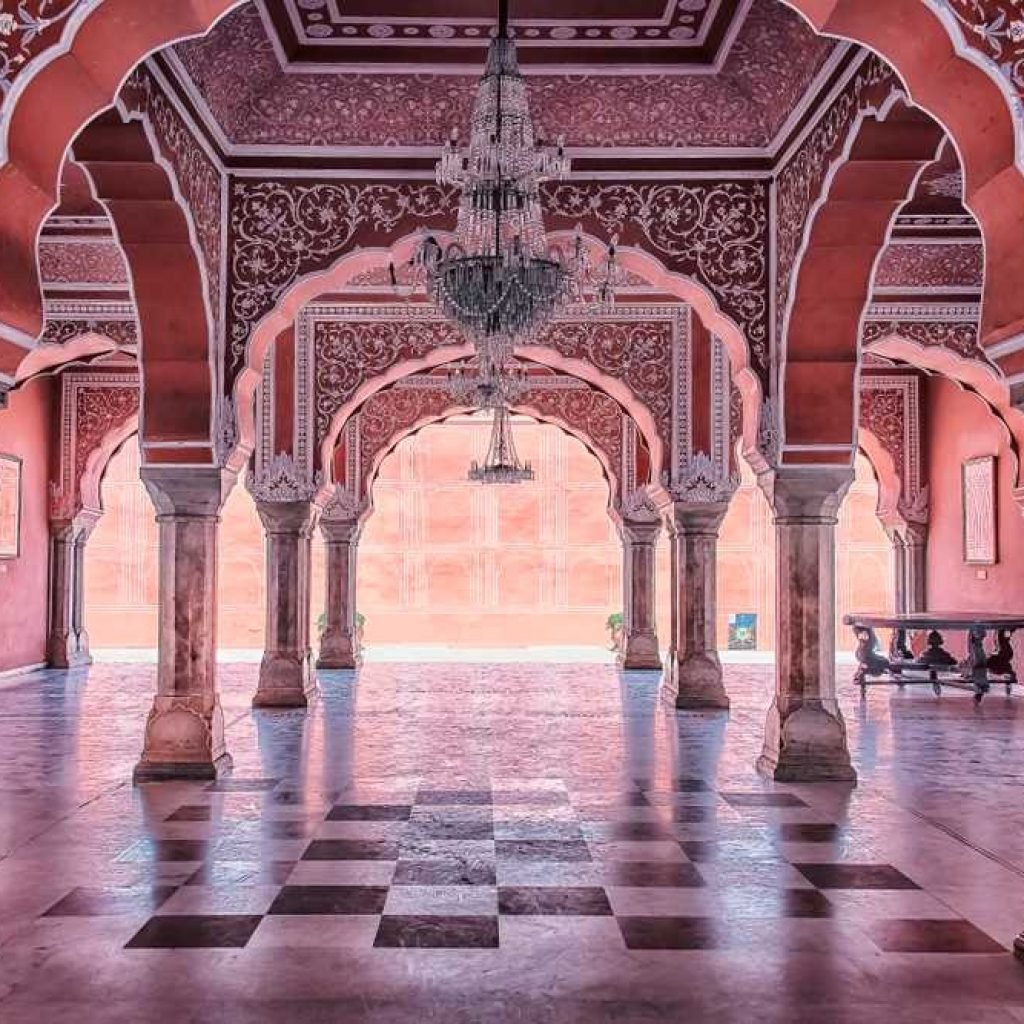
As you bid farewell to the palace, you carry with you the echoes of history and the allure of a royal legacy. City Palace, a jewel in Jaipur’s crown, continues to mesmerize and inspire, inviting all who visit to immerse themselves in the grandeur of Rajasthan’s regal past.
Hawa Mahal
In the heart of Jaipur, a whimsical palace emerges—Hawa Mahal, the Palace of Winds. Like a fairytale come to life, its towering facade adorned with intricate lattice-work windows captures the imagination.
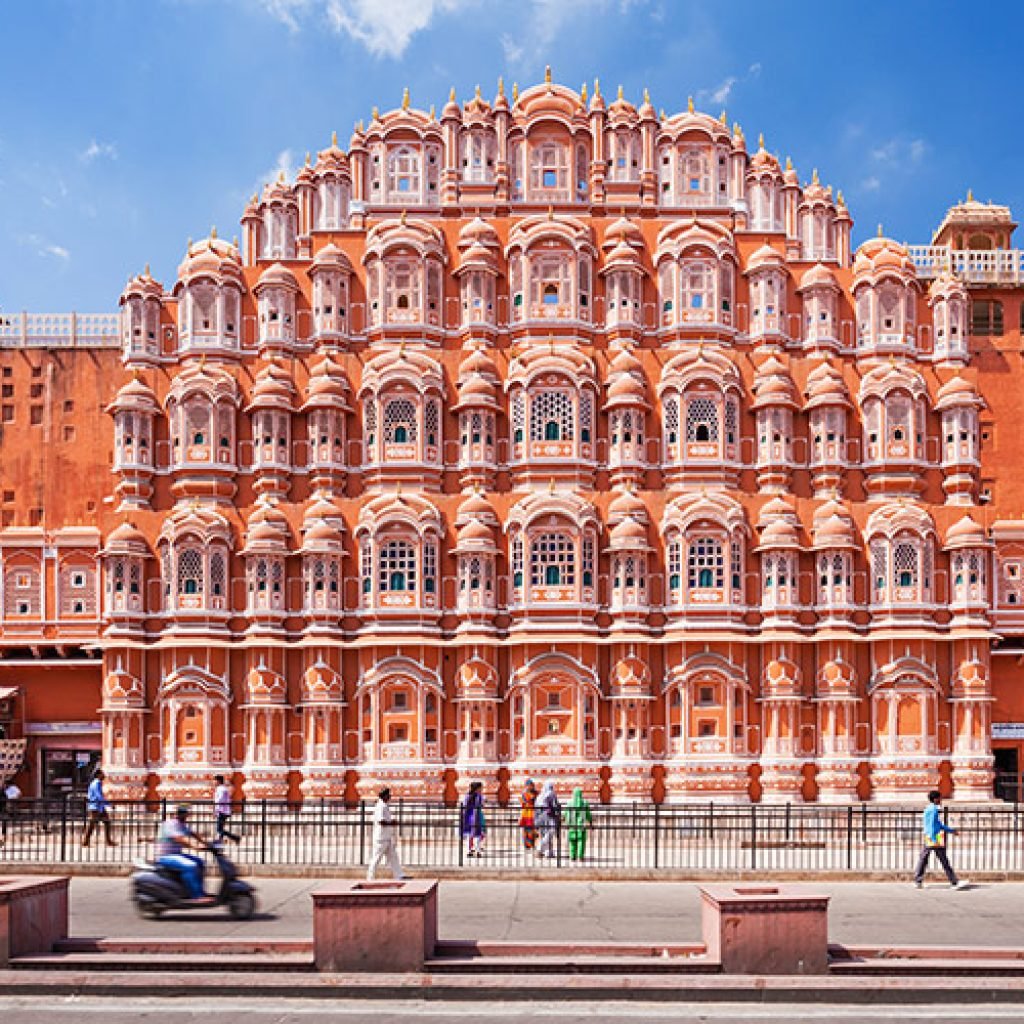
Legend has it that the Hawa Mahal was built to accommodate the royal ladies, who, veiled and secluded, longed to witness the vibrant city below. Thus, the palace’s countless windows were crafted, allowing the gentle breeze to pass through, carrying their whispers and dreams.
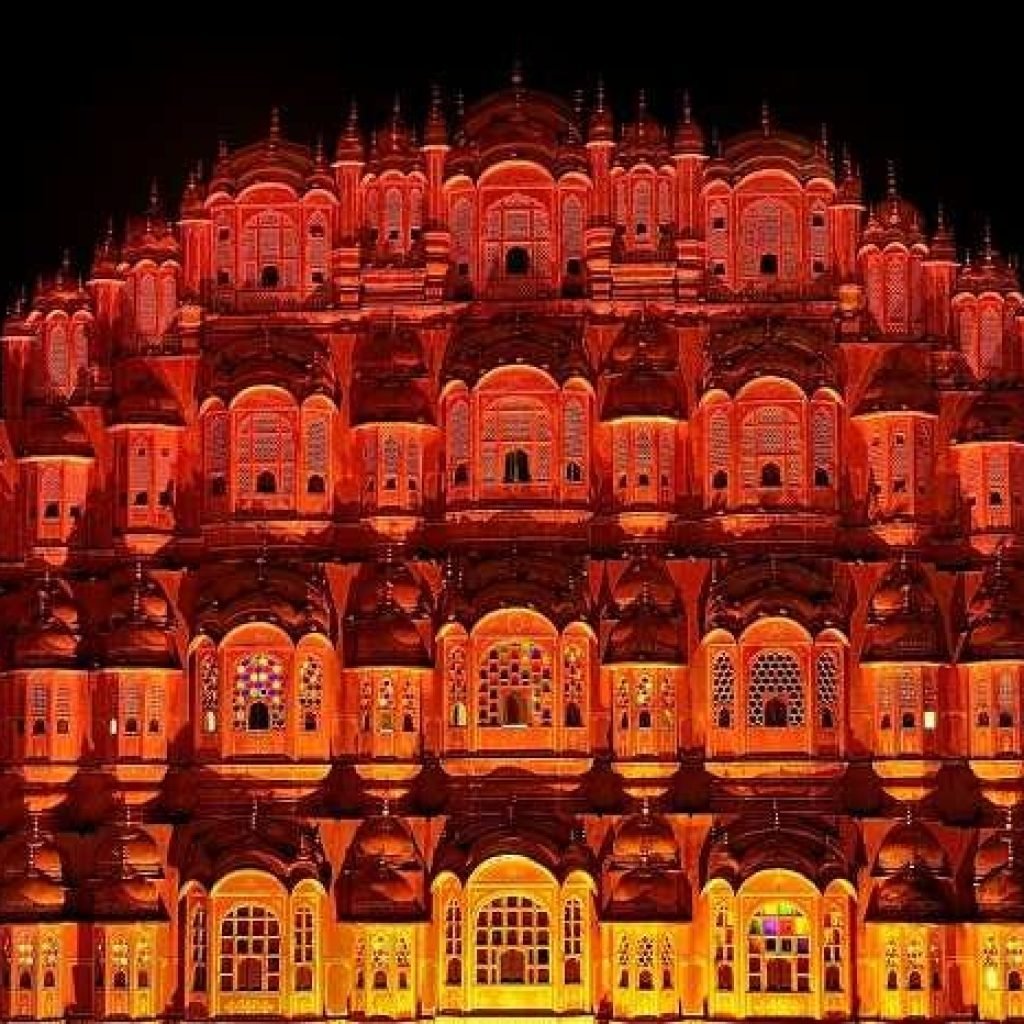
Step inside, and you are transported to a world of enchantment. Ascend the winding staircase, and each floor reveals hidden chambers and balconies, offering panoramic views of Jaipur’s bustling streets.
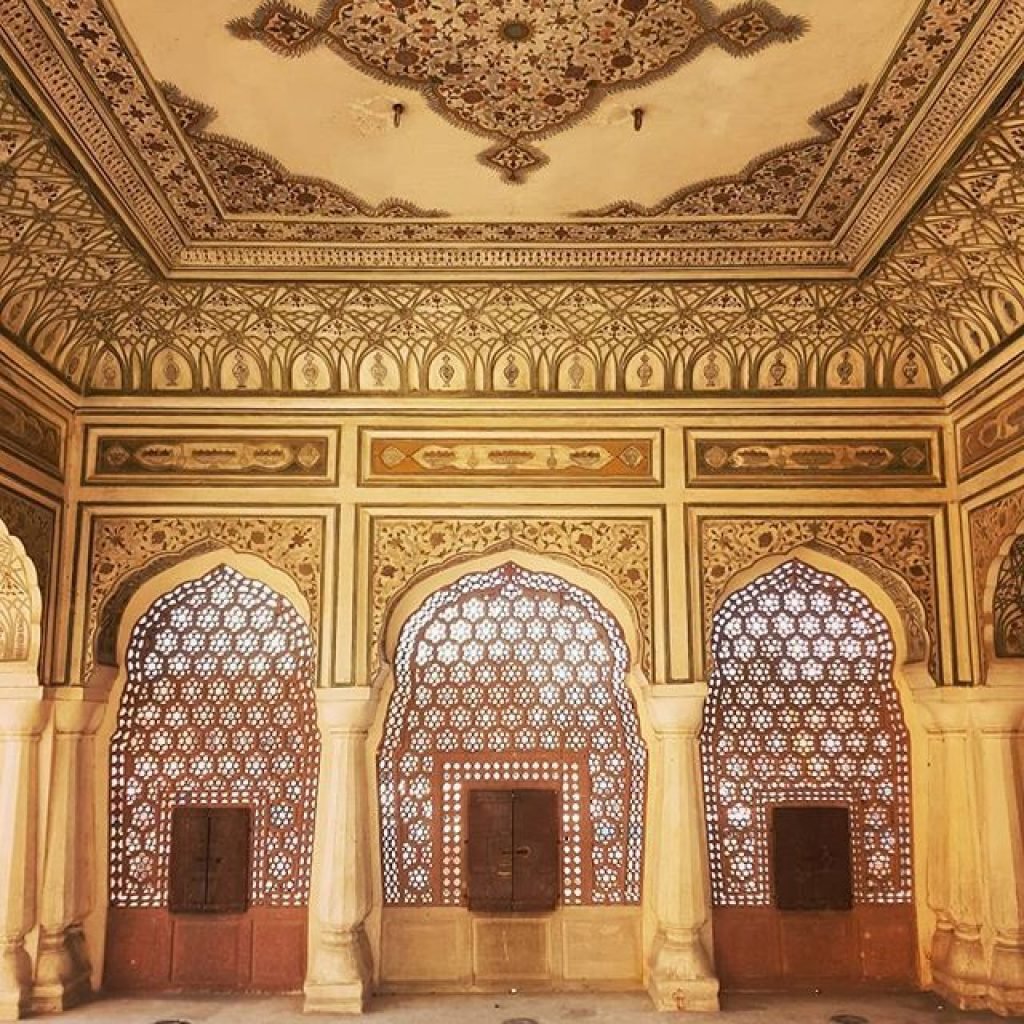
As sunlight filters through the delicate screens, casting mesmerizing patterns on the walls, a sense of awe envelops you. The symphony of colors and sounds from the bustling city below is muted, offering a serene retreat amidst the whirlwind of life.
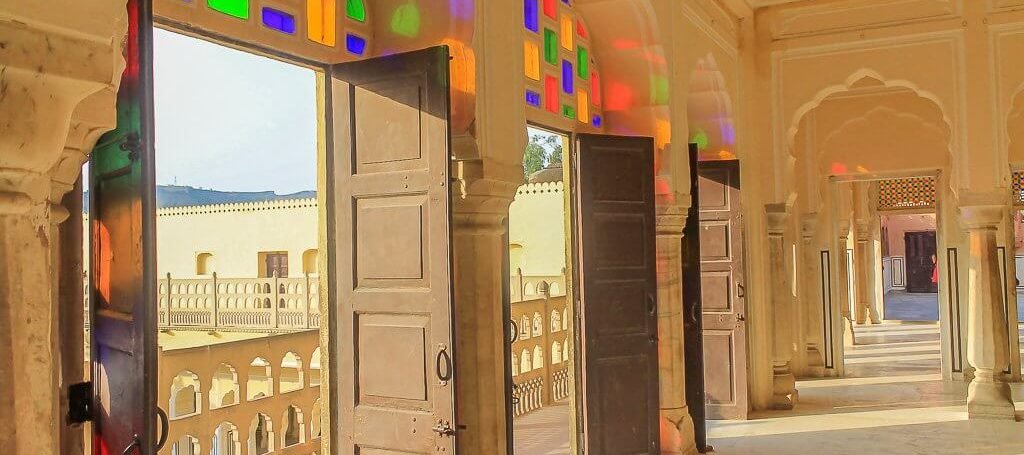
From the highest vantage point, the view is nothing short of magical. The regal palaces, bustling markets, and ancient temples stretch out before you, creating a tableau of Jaipur’s rich heritage.
The Hawa Mahal stands as a testament to the creativity and architectural ingenuity of the Rajput era. Its whimsical design and intricate craftsmanship have made it an iconic symbol of Jaipur, capturing the hearts of visitors from around the world.
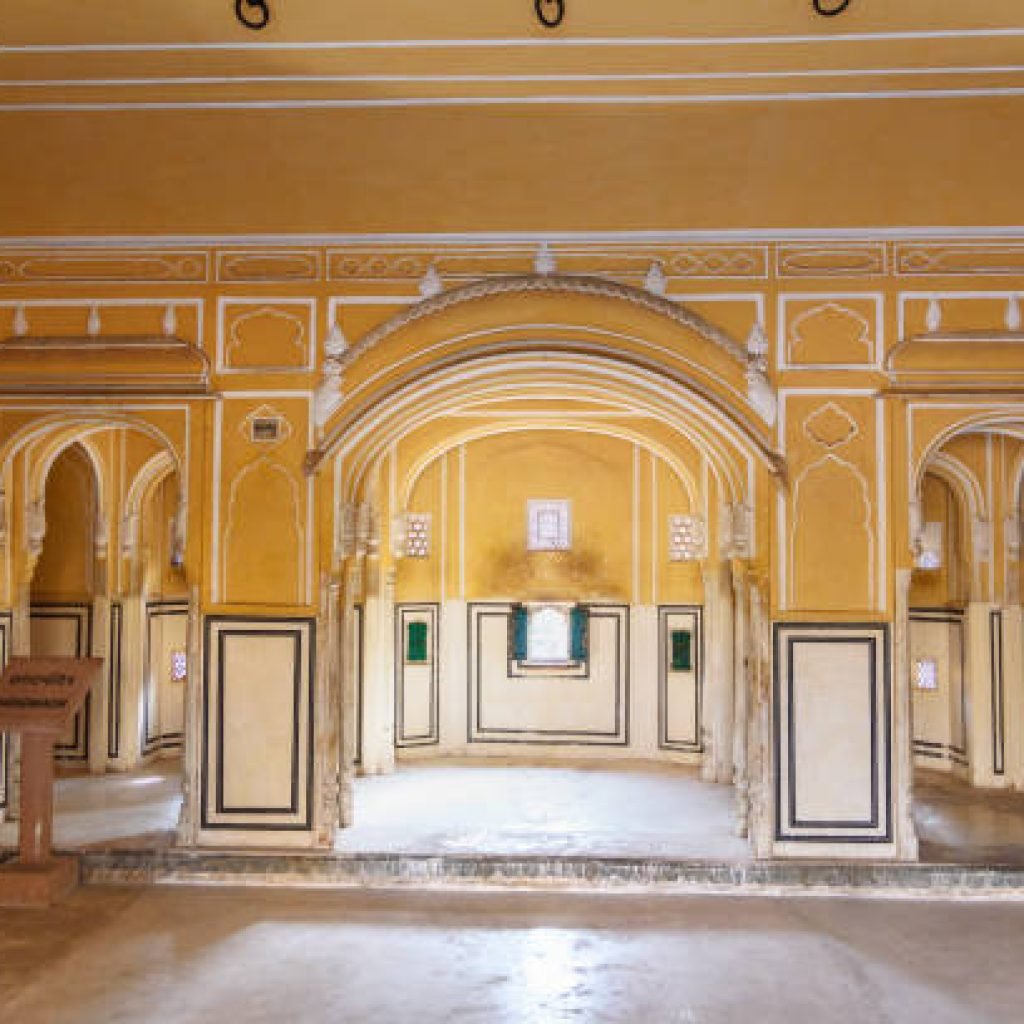
As you bid adieu to the Hawa Mahal, you carry with you the essence of its ethereal beauty. The palace’s delicate charm, reminiscent of a gentle breeze, lingers in your memories, forever etching the Hawa Mahal as a jewel in Jaipur’s crown—a testament to the city’s grandeur and the enduring allure of Rajasthan’s royal past.
Jantar Mantar
In the heart of Jaipur lies a celestial playground—Jantar Mantar. This architectural marvel, a collection of astronomical instruments, stands as a testament to human curiosity and scientific acumen.
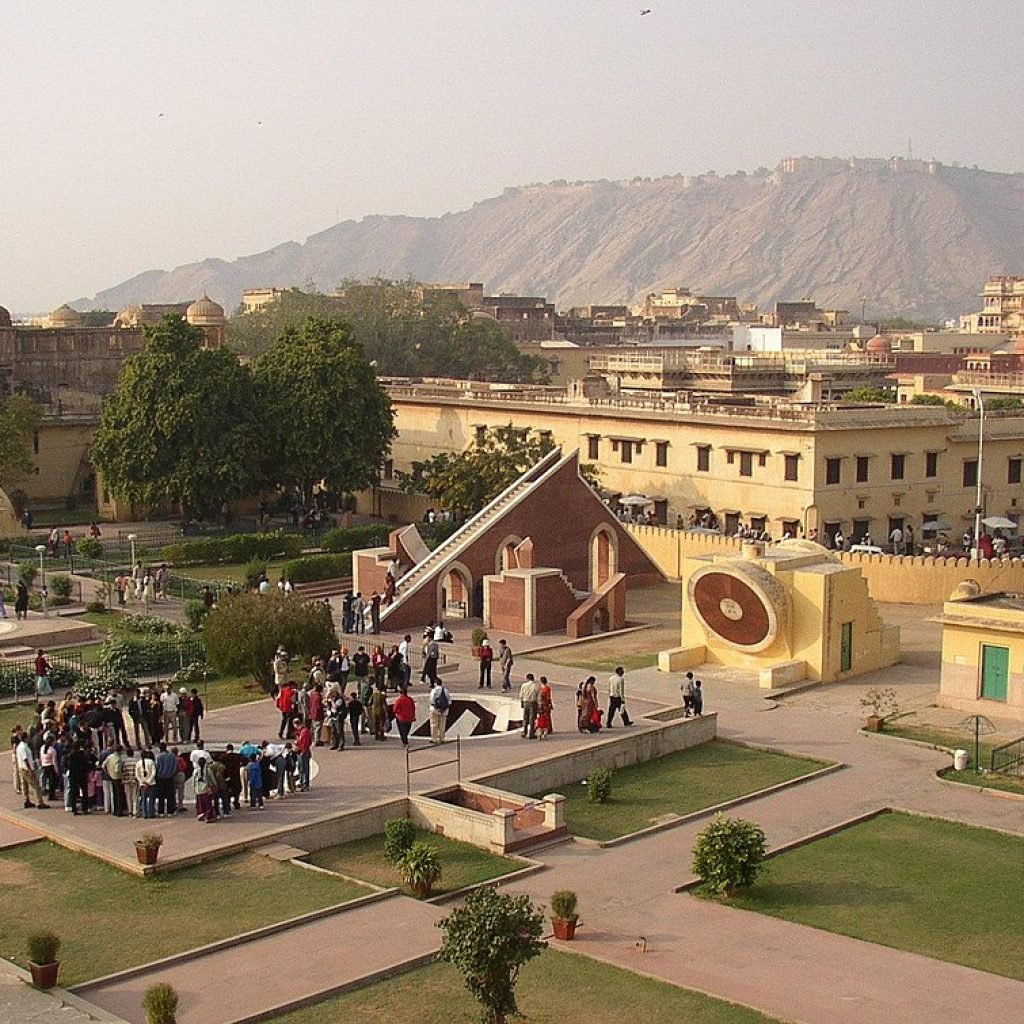
Built by Maharaja Jai Singh II, the observatory is a celestial labyrinth, where massive structures stand tall, measuring time, tracking celestial bodies, and unraveling the mysteries of the universe.
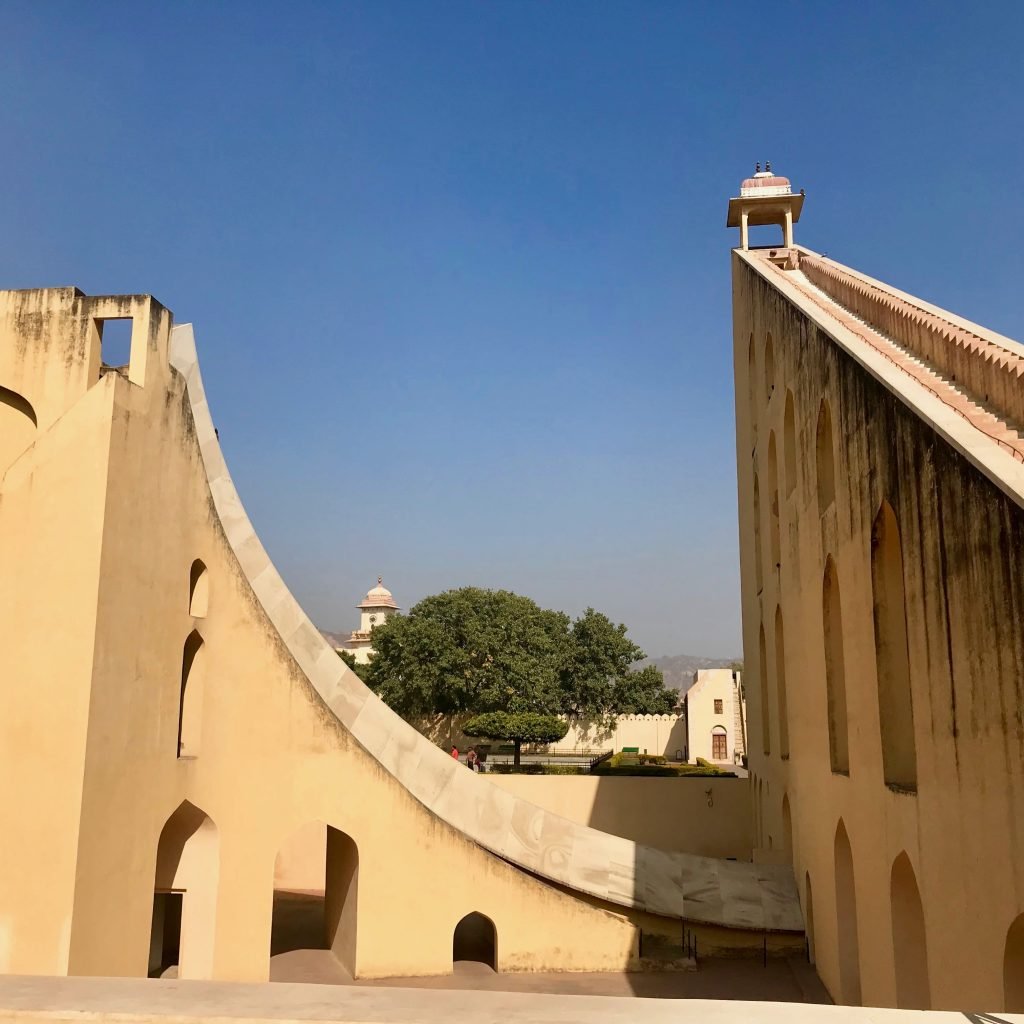
As you wander through its geometric pathways, you encounter fascinating instruments like the Samrat Yantra, the world’s largest sundial, casting precise shadows to mark the passage of time. The Jai Prakash Yantra, a mesmerizing network of concentric circles, calculates the positions of stars and planets with astounding accuracy.
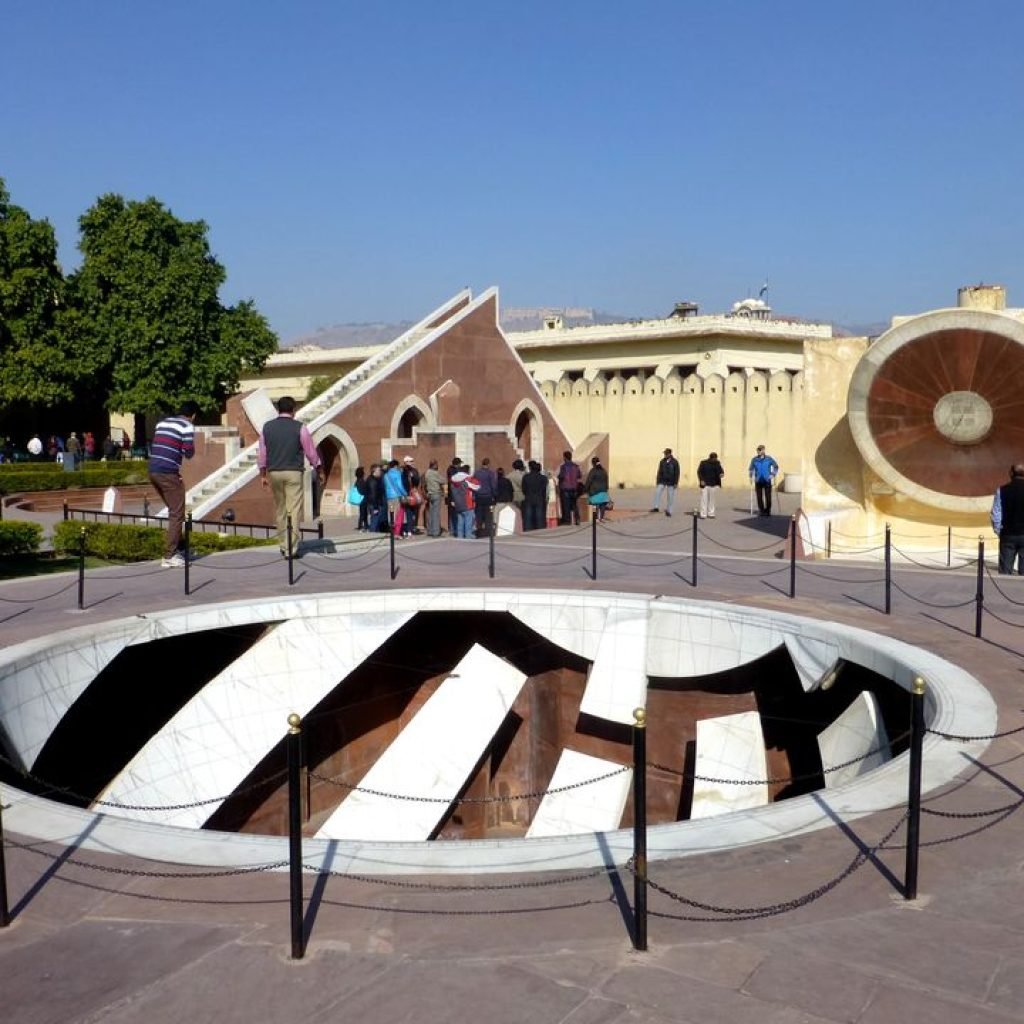
Each instrument within Jantar Mantar tells a story of our timeless fascination with the cosmos. It is a testament to the deep connection between the celestial and the terrestrial, inviting us to contemplate our place in the vastness of the universe.
Jantar Mantar stands not only as an architectural marvel but also as a reminder of the scientific wisdom and intellectual prowess of ancient India. It is a testament to the rich heritage of astronomical knowledge and the legacy of Jai Singh II, who fostered a culture of scientific inquiry.
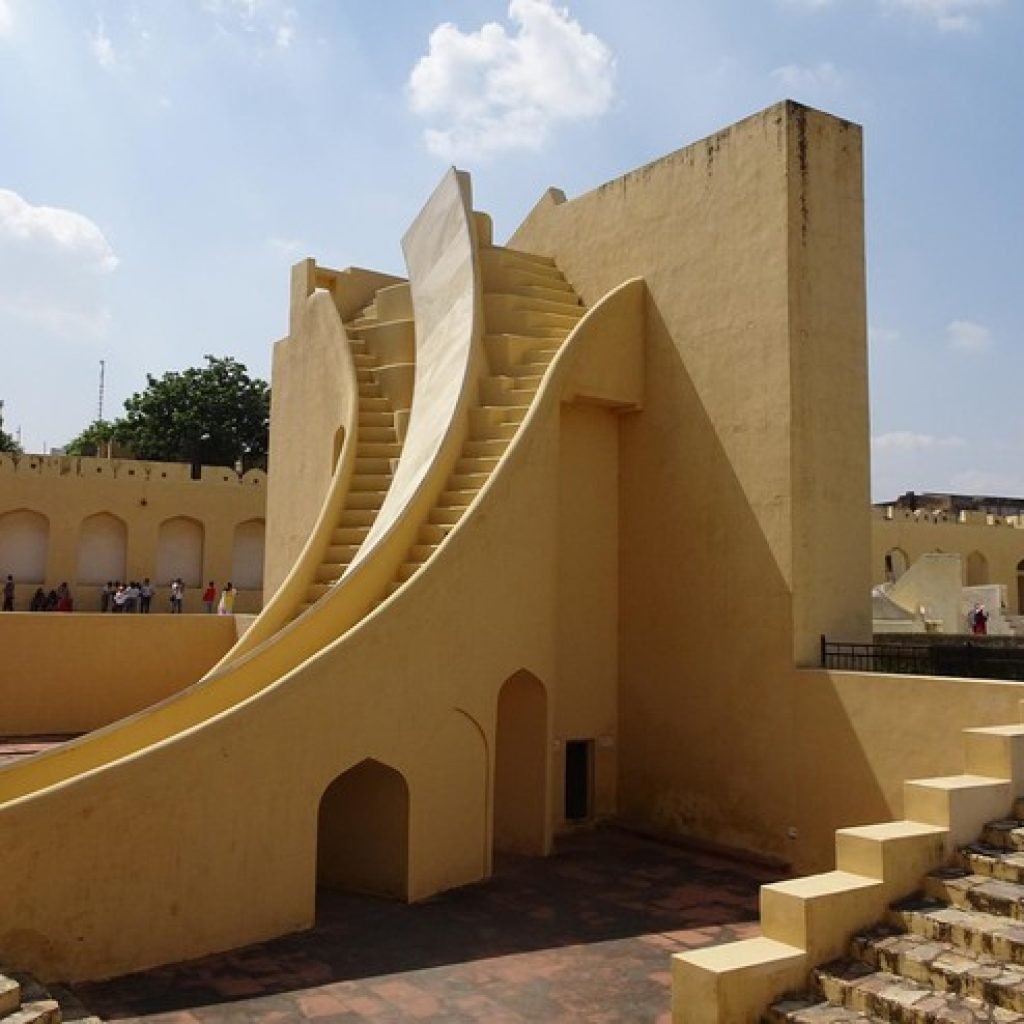
As you bid farewell to Jantar Mantar, you carry with you a newfound appreciation for the wonders of the universe. The observatory’s enchanting blend of art and science leaves an indelible mark, inspiring awe and curiosity, and reminding us of the infinite beauty that lies beyond our earthly realm.
Galtaji
Nestled amidst the Aravalli hills, Galtaji is a serene oasis of spirituality in Jaipur. Known as the Monkey Temple, it welcomes visitors with its ancient temples, sacred water tanks, and playful monkeys.
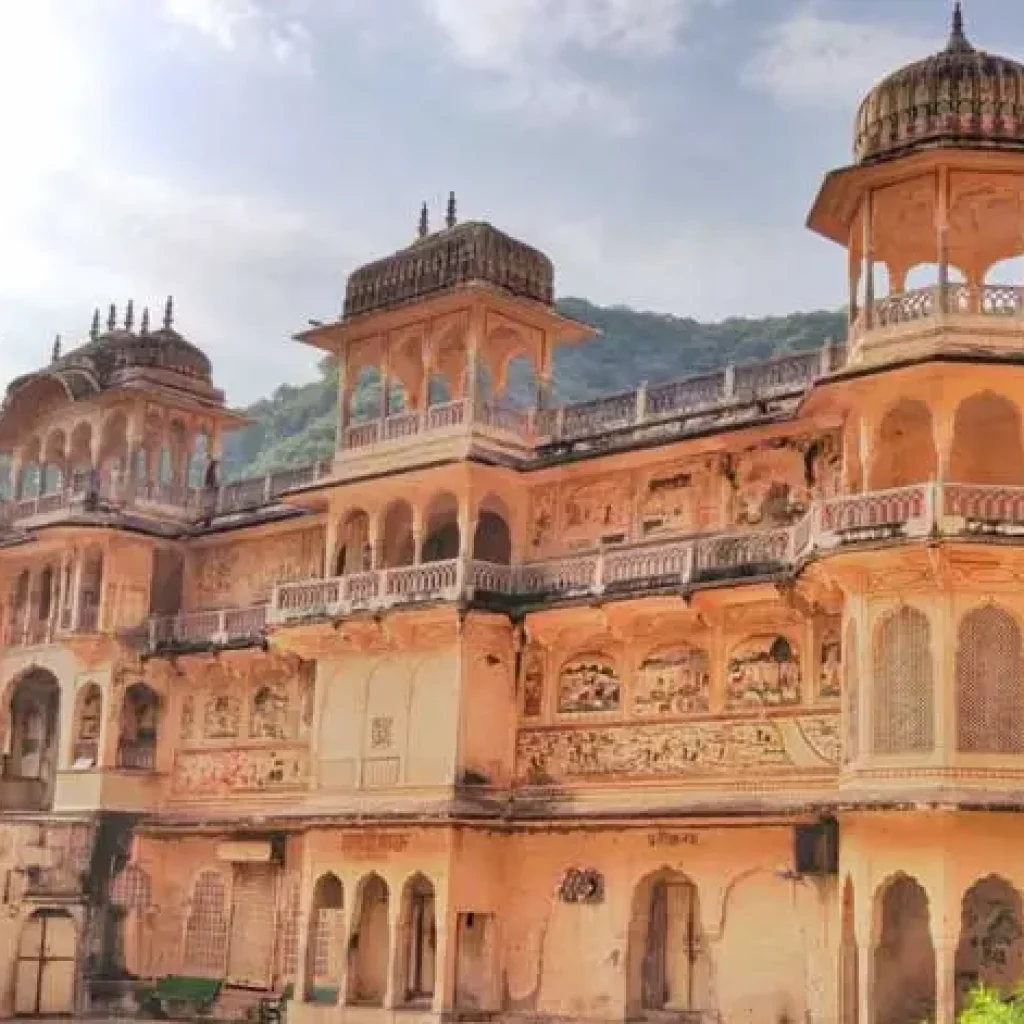
As you ascend the stone steps, the air becomes imbued with a sense of tranquility. The main temple, dedicated to Lord Hanuman, exudes a divine aura, attracting devotees and seekers of inner peace.
Wander through the temple complex, and you’ll discover natural springs and holy water tanks, where pilgrims come to cleanse their souls. The cool, crystal-clear water invites you to immerse yourself in its purifying embrace.
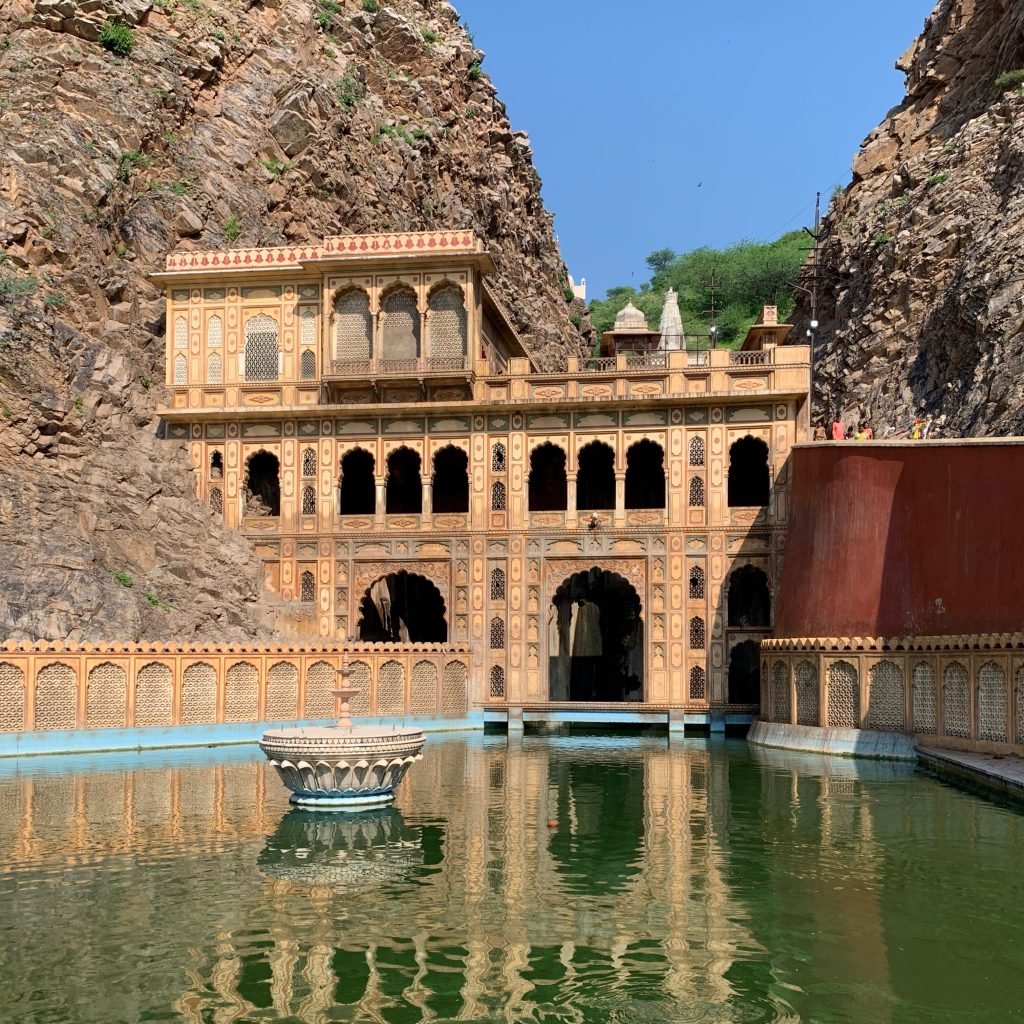
But it’s the monkeys that truly steal the show. Playful and mischievous, they inhabit the temple and its surroundings, adding a touch of liveliness and adventure to the spiritual atmosphere.
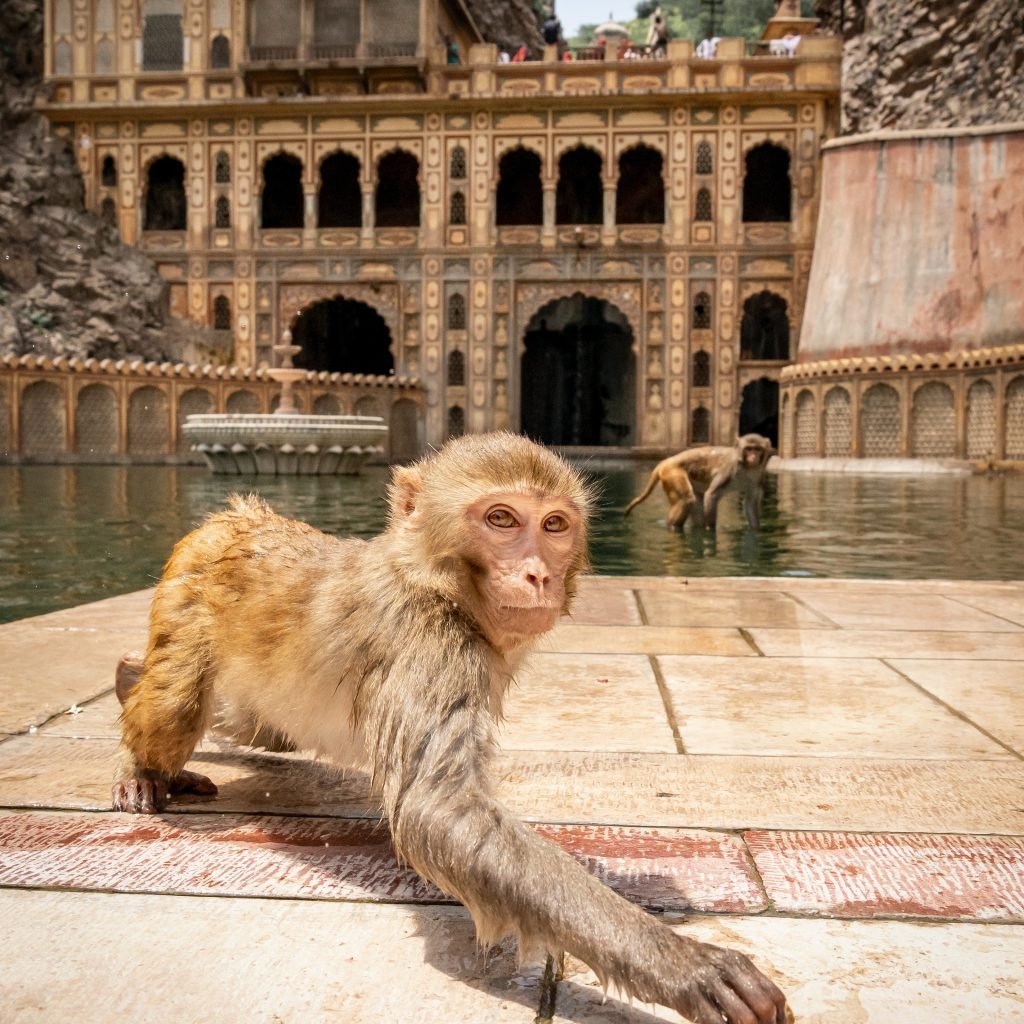
Galtaji is more than just a temple; it is a sanctuary where devotion and nature intertwine. The serene surroundings, the melodious chants, and the monkeys’ playful antics create a unique and enchanting experience.
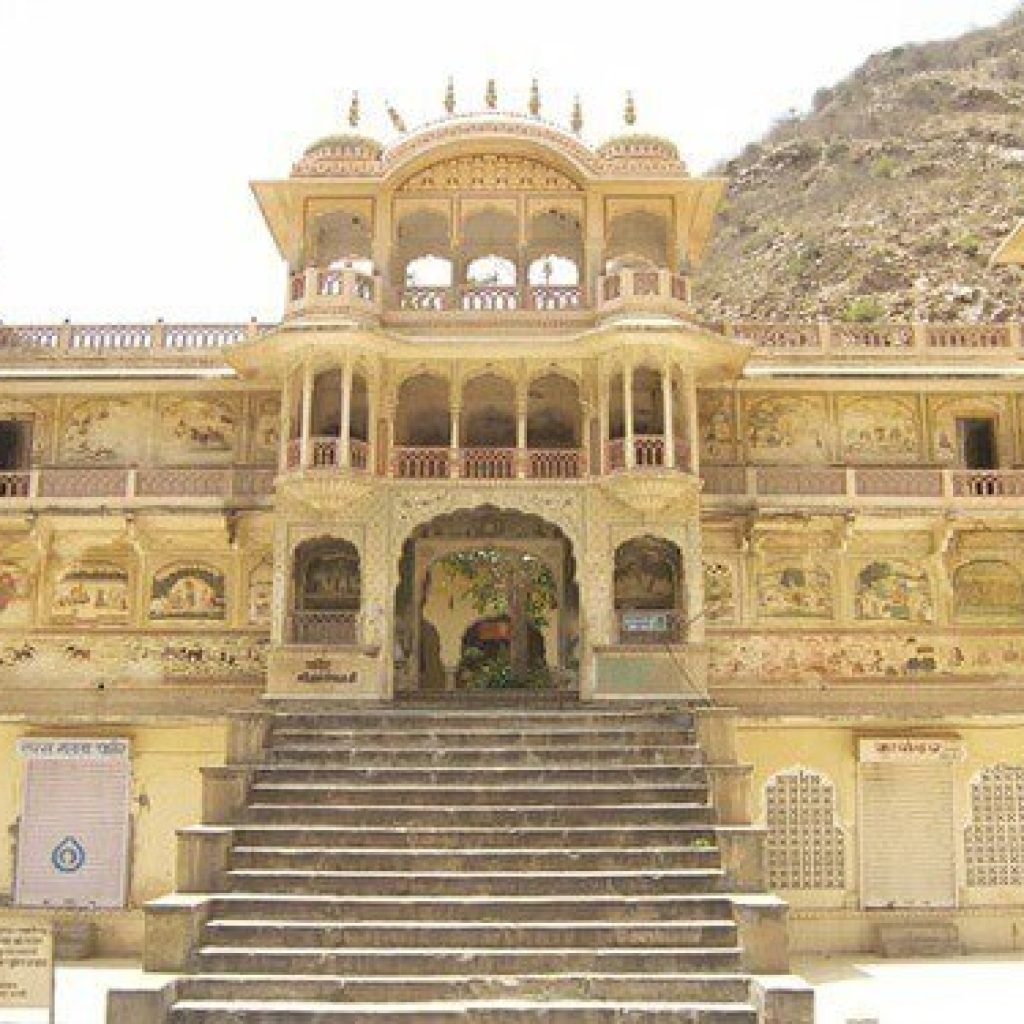
As you leave Galtaji, you carry with you a sense of inner peace and a connection to the sacred. The Monkey Temple, a hidden gem in Jaipur, leaves an indelible mark on your soul, reminding you of the harmony that can be found when spirituality and nature coexist in perfect balance.