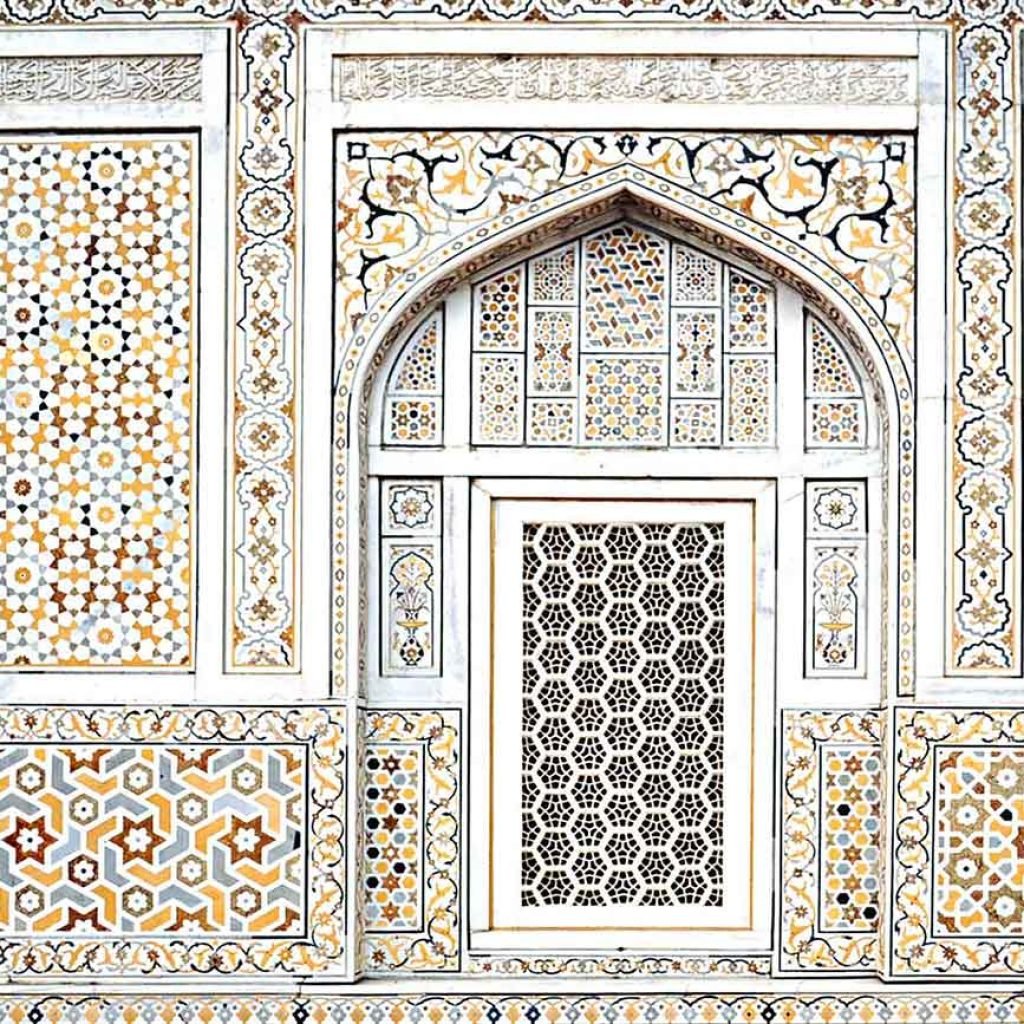
Agra, a city located in the northern state of Uttar Pradesh, India, is steeped in history and renowned for its architectural gem, the iconic Taj Mahal. Constructed by Mughal emperor Shah Jahan, this architectural marvel captivates millions of visitors annually with its timeless beauty and captivating love tale.
Taj Mahal
Once upon a time in the city of Agra, there lived a great emperor named Shah Jahan. He was deeply in love with his wife, Mumtaz Mahal. Tragically, Mumtaz Mahal passed away, leaving Shah Jahan devastated. In her memory, the emperor decided to build a monument that would immortalize their love.
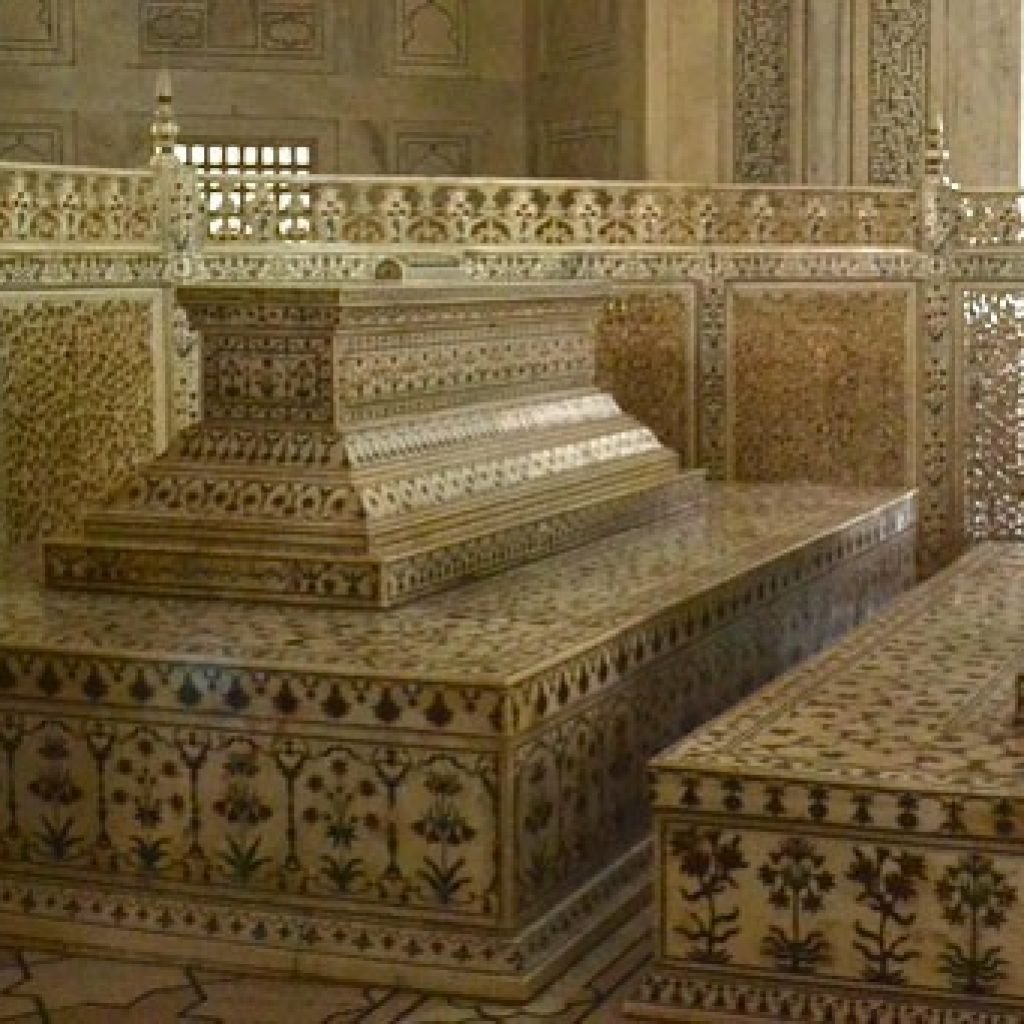
Thus, the Taj Mahal was born. Skilled artisans from all over the world were summoned to create this architectural masterpiece. They meticulously crafted the white marble structure, adorned it with precious gemstones, and landscaped magnificent gardens around it.
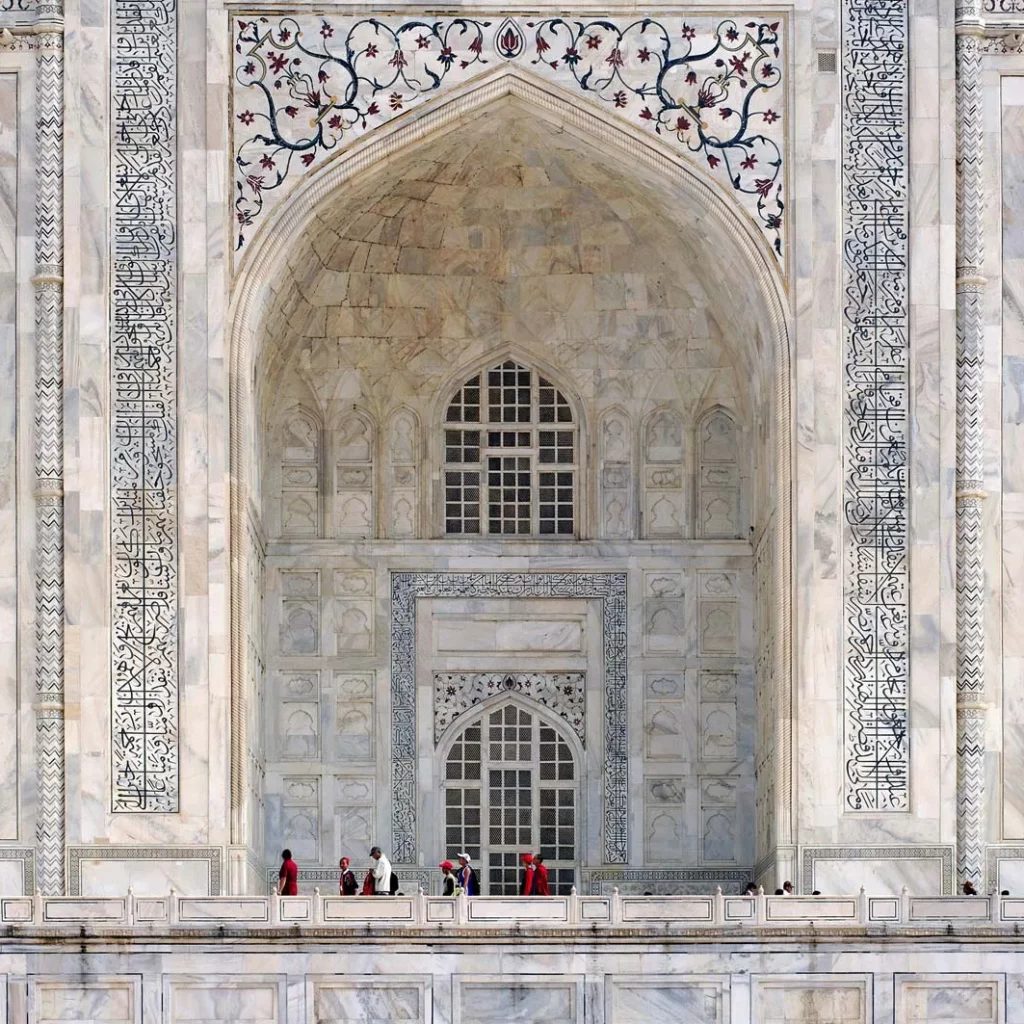
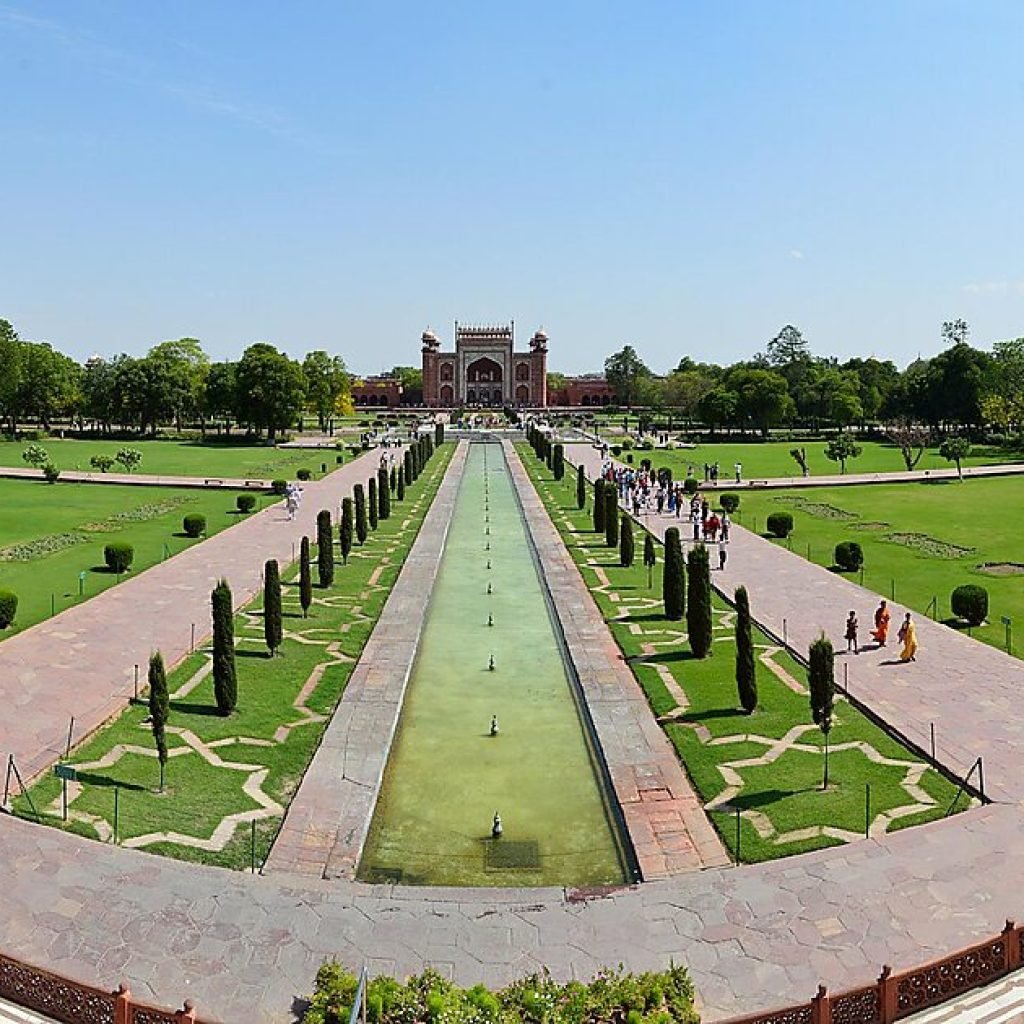
As the sun rose on a clear morning, Shah Jahan unveiled the Taj Mahal to the world. Its domed silhouette gleamed in the soft light, reflecting in the tranquil waters of the reflecting pool. Visitors were awestruck by its grandeur and beauty. The Taj Mahal became a symbol of eternal love and a testament to the emperor’s devotion.
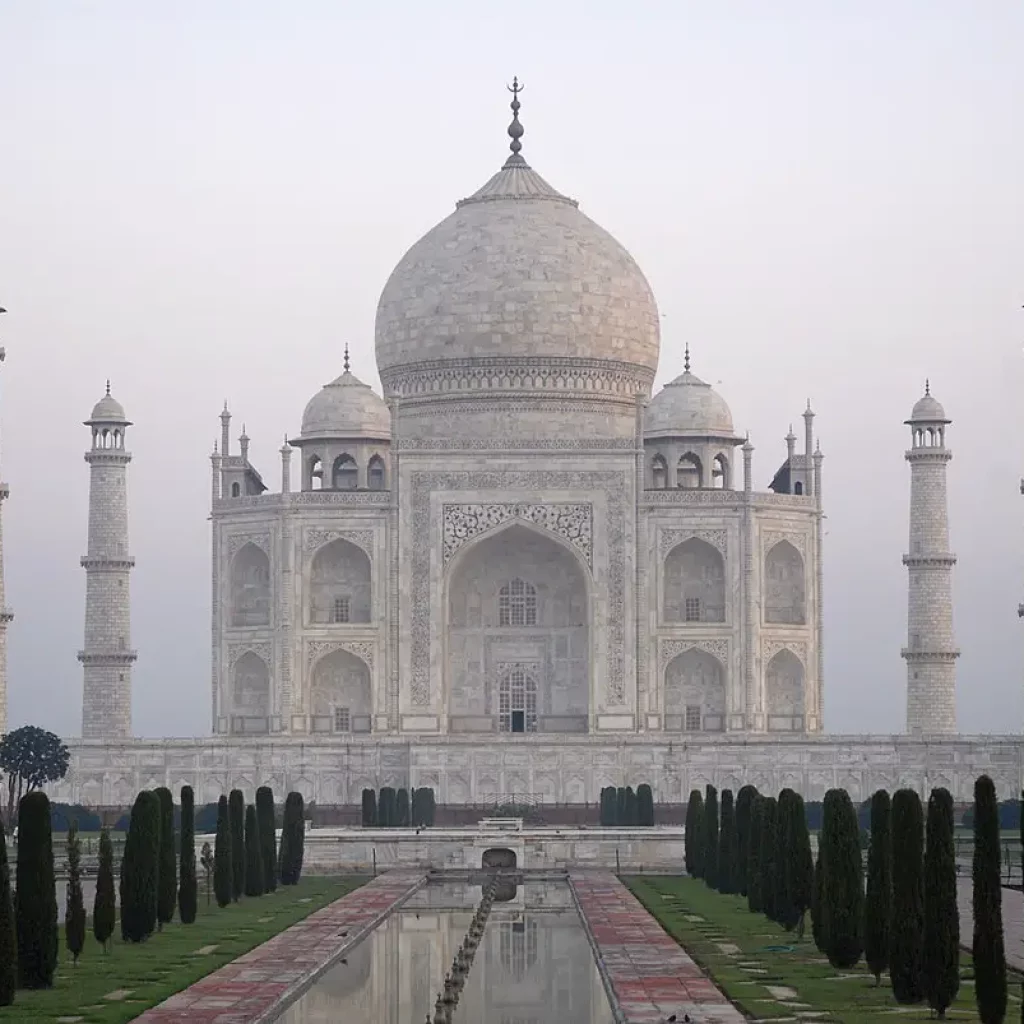
Today, the Taj Mahal stands tall, attracting travelers from every corner of the globe. Its breathtaking symmetry, intricate carvings, and delicate marble inlays leave all who visit spellbound. It is said that the Taj Mahal changes its hues with the shifting daylight, offering a different perspective at every hour.
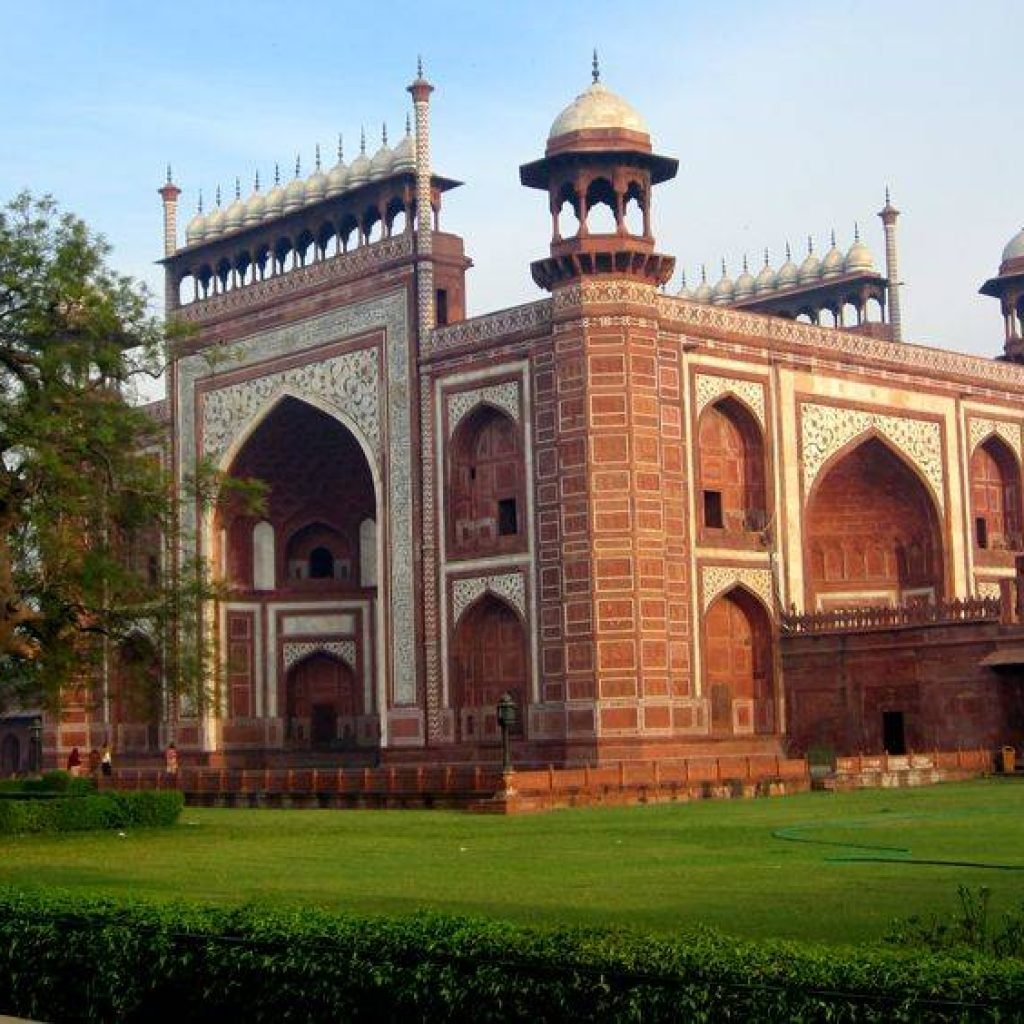
Visitors wander through the perfectly manicured gardens, whispering stories of love and marveling at the craftsmanship. The Taj Mahal remains an enduring legacy, reminding the world of the power of love and the timeless beauty that can be created in its name.
Red Fort
In the heart of Agra, amidst the splendor of the Taj Mahal, another marvel awaited discovery—the Red Fort of Agra. Standing tall, its red sandstone walls whispered tales of grandeur and emperors.
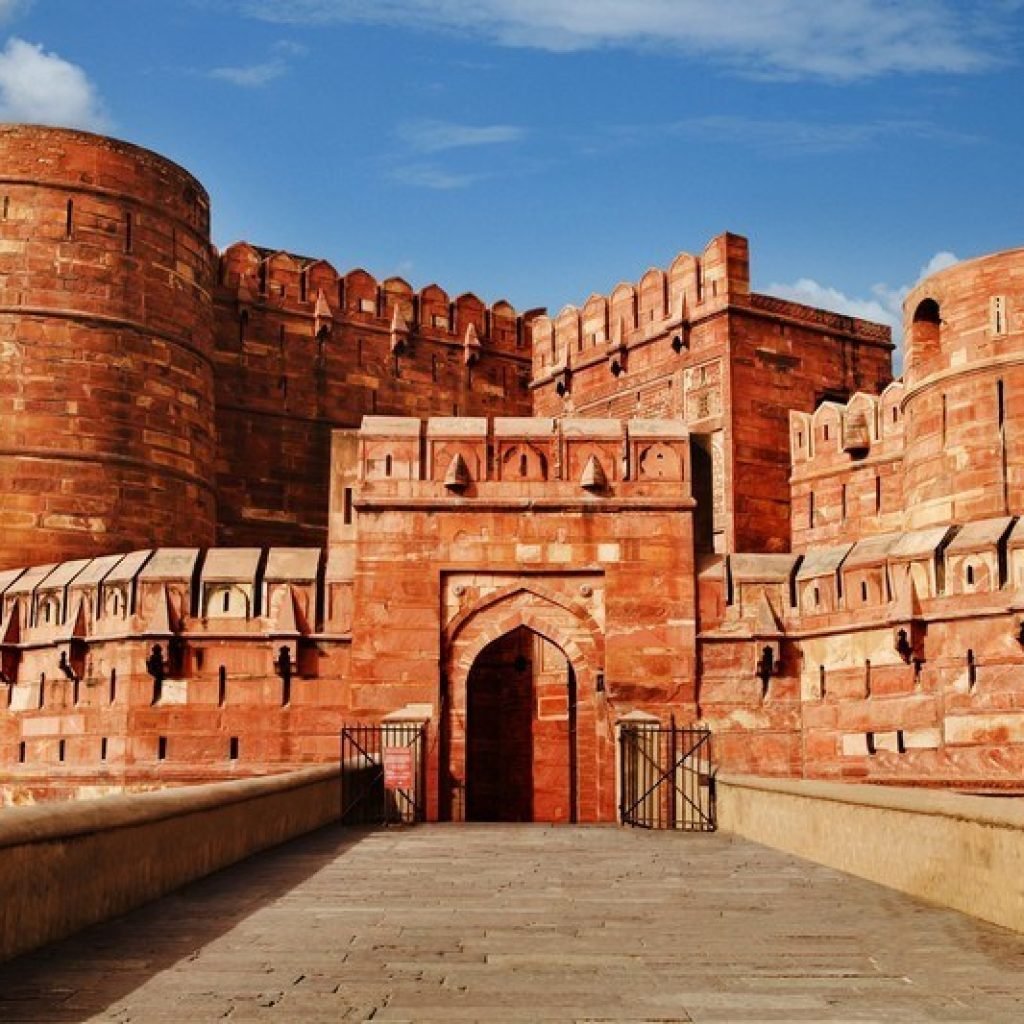
Built by Emperor Akbar, the Red Fort was a symbol of power and authority. Its mighty gates opened to a world of intrigue and opulence. Within its fortified walls, emperors held court, and lavish ceremonies unfolded.
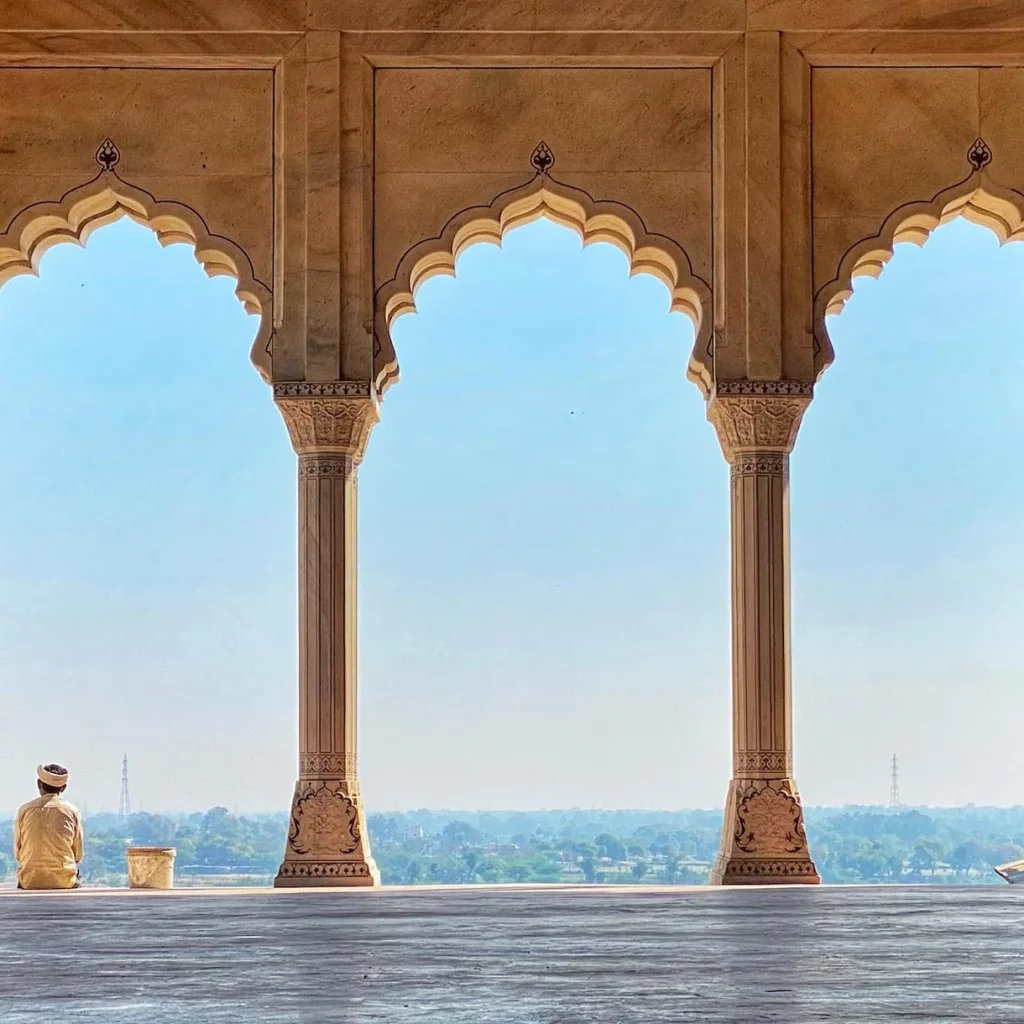
Walking through the ornate halls, one could almost hear the echoes of history. The emperors, clad in resplendent robes, made their grand entrances. Ministers debated matters of state, and poets penned verses of love and longing.
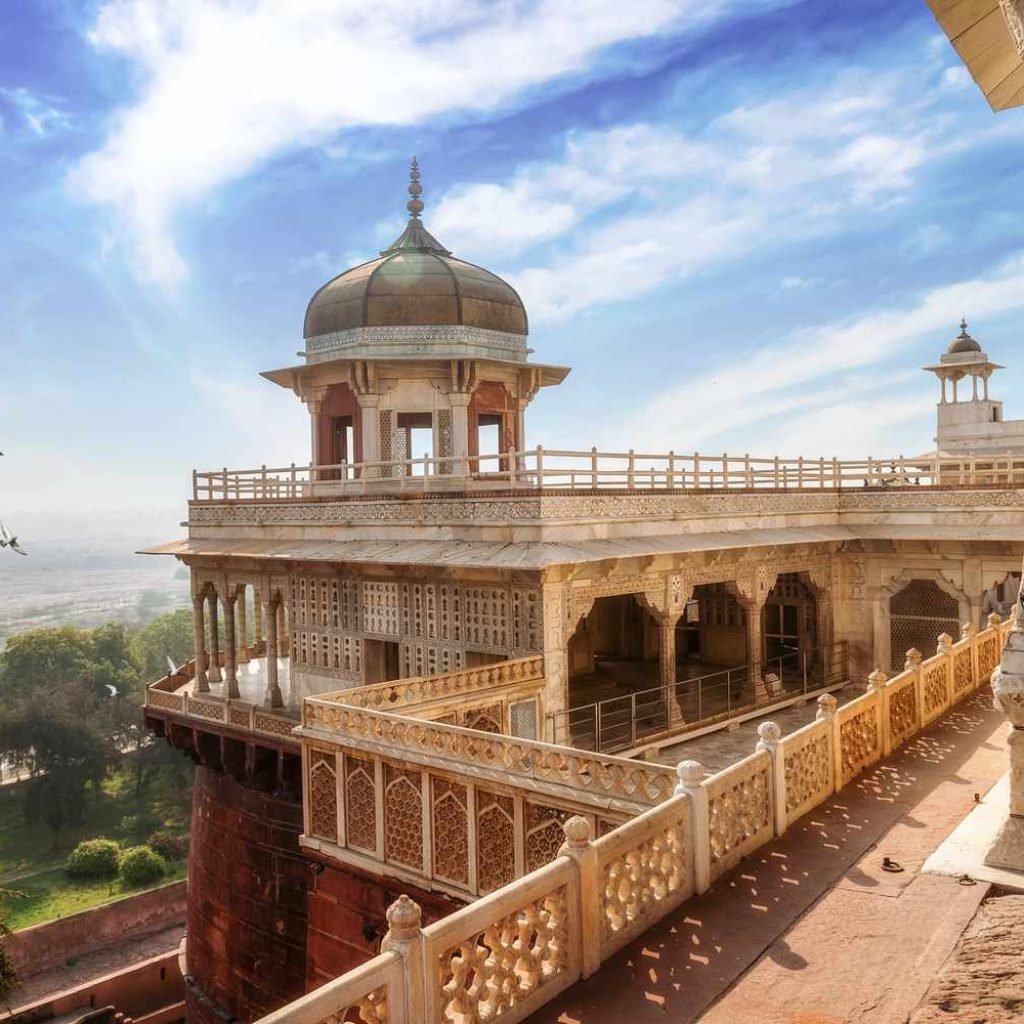
The Diwan-i-Aam, the hall of public audience, witnessed the gathering of commoners and nobles alike. The emperor, seated on his throne, listened to the grievances and aspirations of his subjects, striving to be a just ruler.
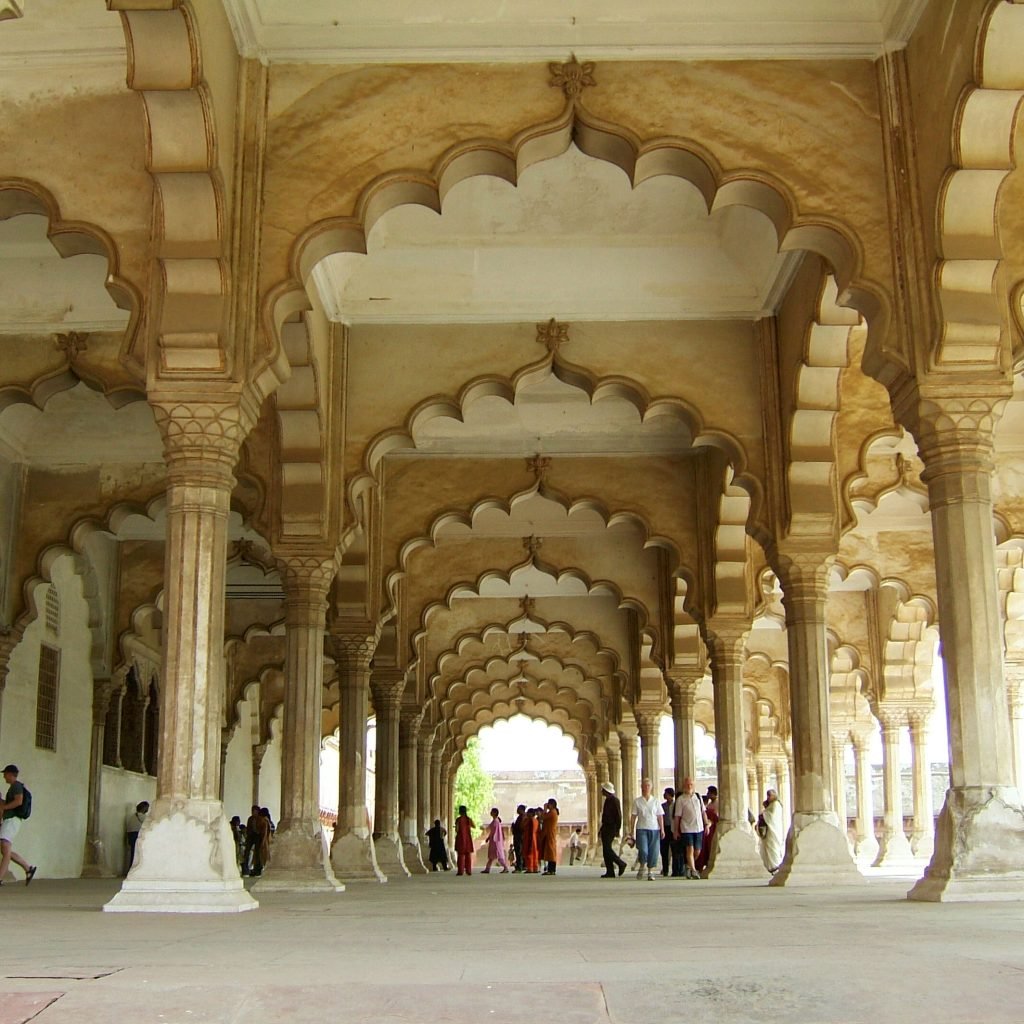
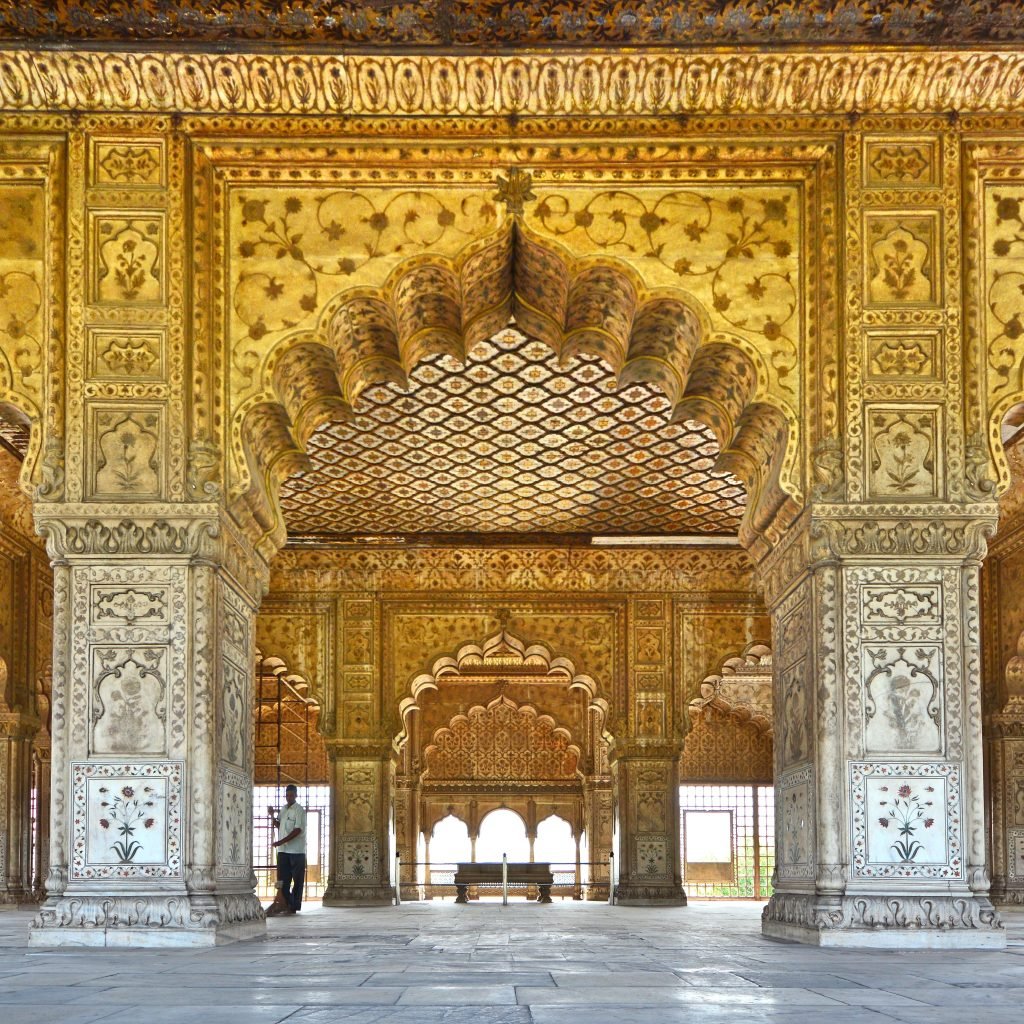
Hidden within the fort’s vast expanse was the Diwan-i-Khas, the hall of private audience. Here, emperors held intimate meetings, surrounded by intricate marble work and glistening gemstones. They pondered matters of state, received emissaries, and made decisions that shaped the destiny of a nation.
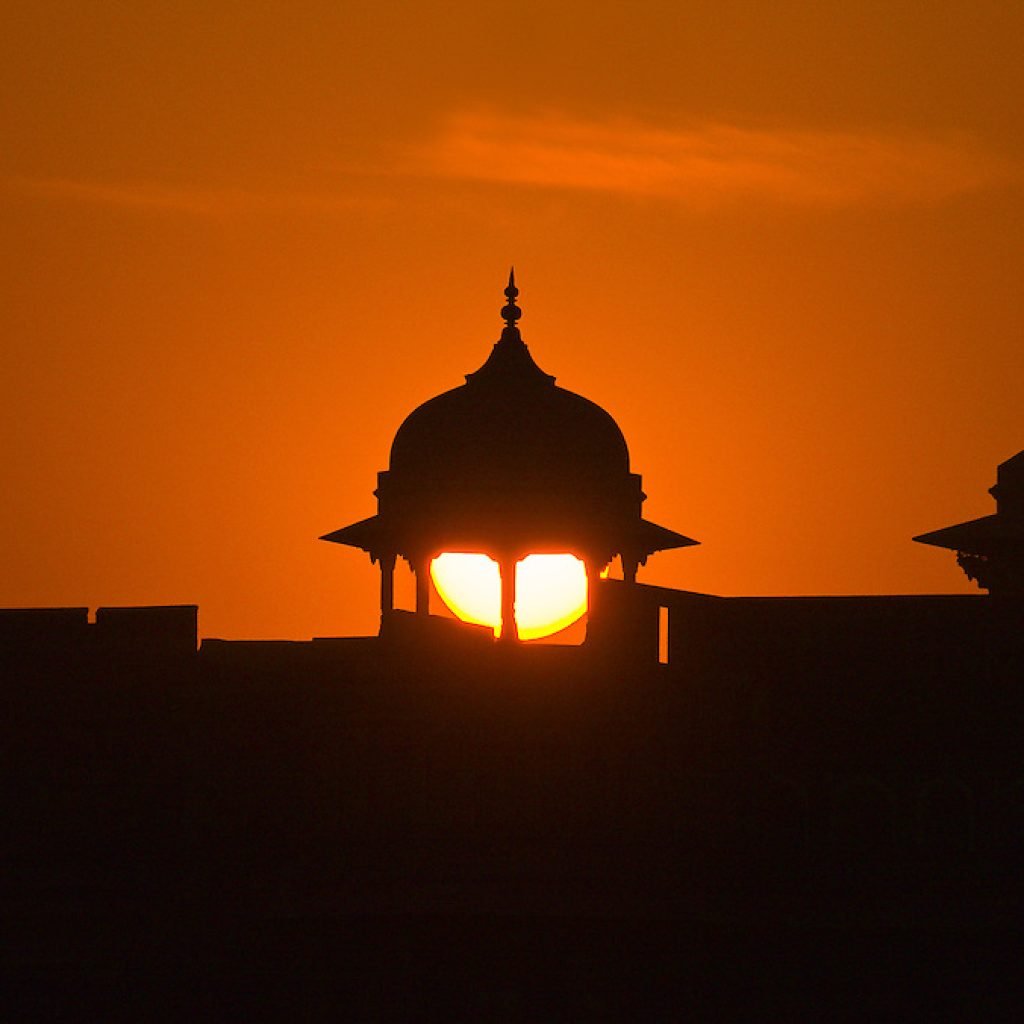
As the sun set, casting an amber glow upon the fort, its walls seemed to come alive. The shimmering reflections in the Yamuna River mirrored the fort’s magnificence. The Red Fort of Agra stood as a testament to the Mughal dynasty’s might and the rich cultural heritage of India.
Today, visitors wander through its corridors, their footsteps treading the path of history. They marvel at the delicate carvings, the sprawling gardens, and the timeless beauty that surrounds them. The Red Fort of Agra stands as a proud reminder of a glorious past and an enduring symbol of India’s architectural brilliance.
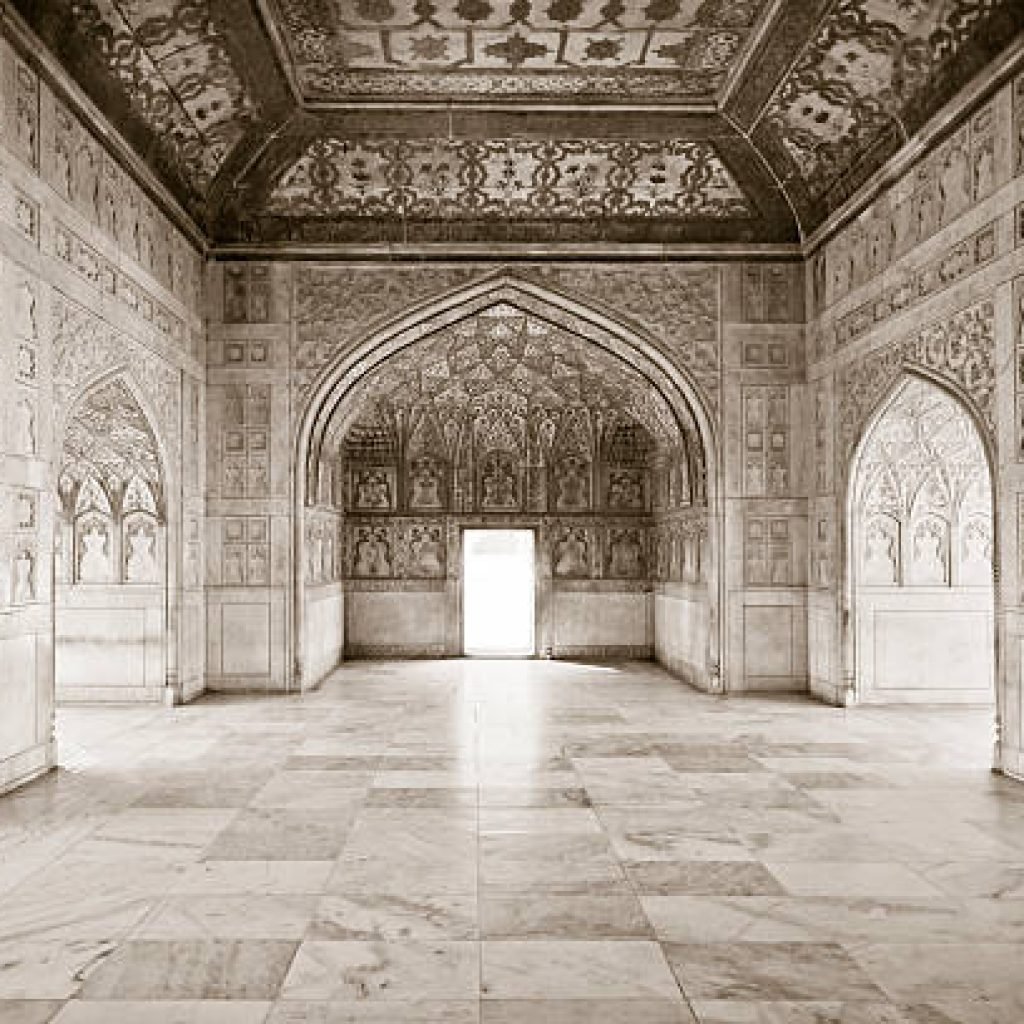
Fatehpur Sikri
Nestled in the deserts of Rajasthan, a mystical city emerged—the enchanting Fatehpur Sikri. Built by Emperor Akbar, this architectural masterpiece beckons travelers with its tales of grandeur and faded glory.
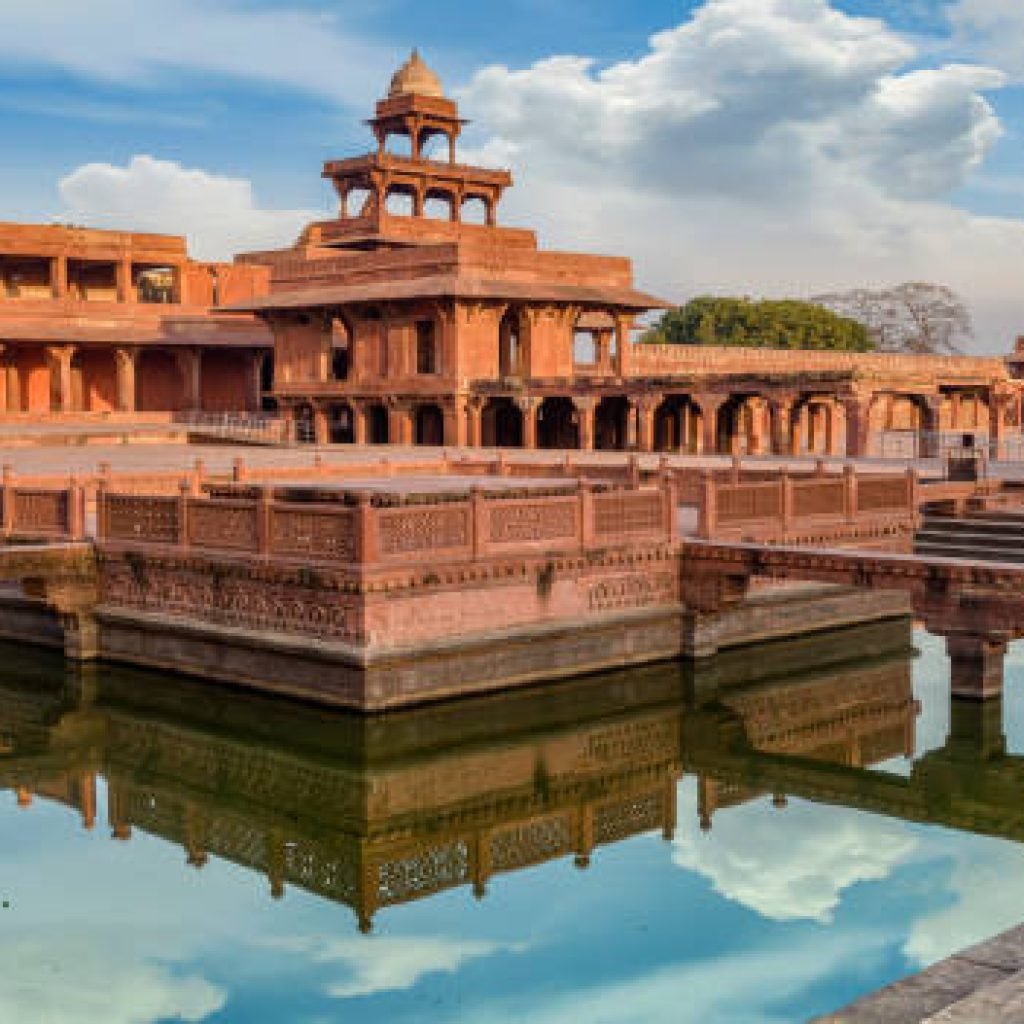
Once the thriving capital of the Mughal Empire, Fatehpur Sikri whispered secrets of emperors and their courtiers. Its magnificent red sandstone structures stood as a testament to Akbar’s vision and artistic brilliance.
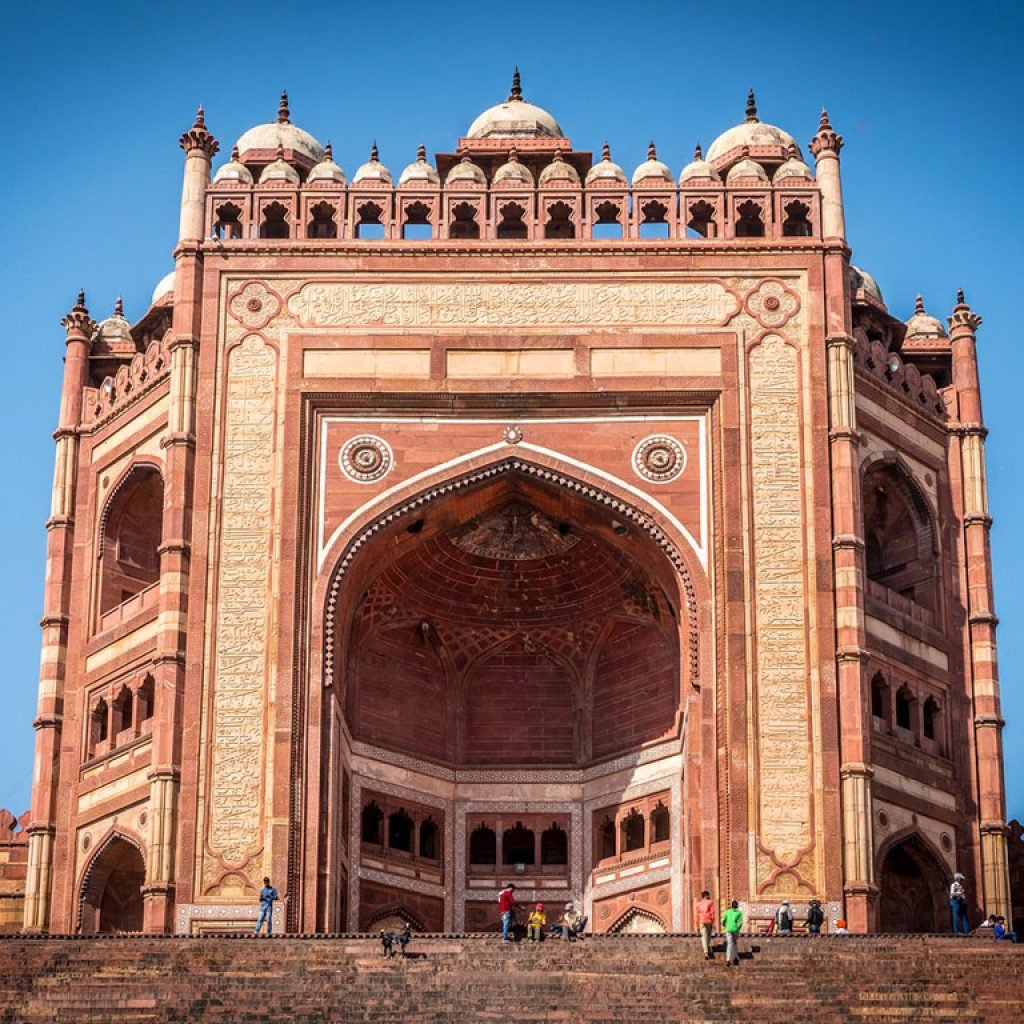
As you step into this ancient city, you can almost feel the echoes of the past. The Buland Darwaza, an imposing gateway, welcomes you with open arms. It stands tall, a symbol of triumph and reverence, inviting you to explore the mysteries within.
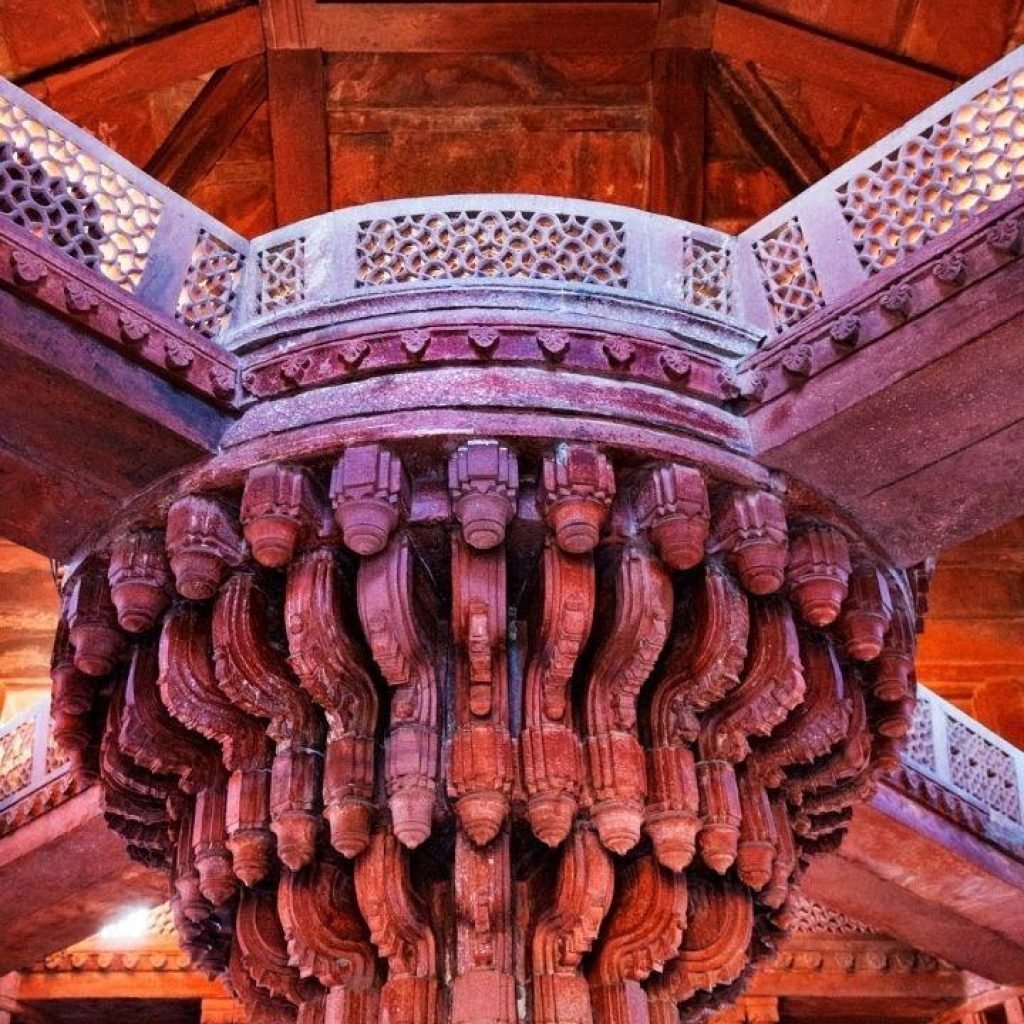
The palace complex unfolds like a story, with each courtyard and chamber revealing a new chapter. The Diwan-i-Khas, a hall of private audience, witnessed the emperor’s intellectual discourses and strategic meetings. The Panch Mahal, a five-story pavilion, offered a respite from the heat as its intricately carved columns whispered ancient tales.
The exquisite Jama Masjid, a grand mosque, stood as a spiritual center. Its towering minarets reached for the heavens, while the courtyard echoed with the prayers of devotees. And in the palace of Jodha Bai, Akbar’s Hindu queen, a blend of architectural styles testified to the emperor’s secular vision.
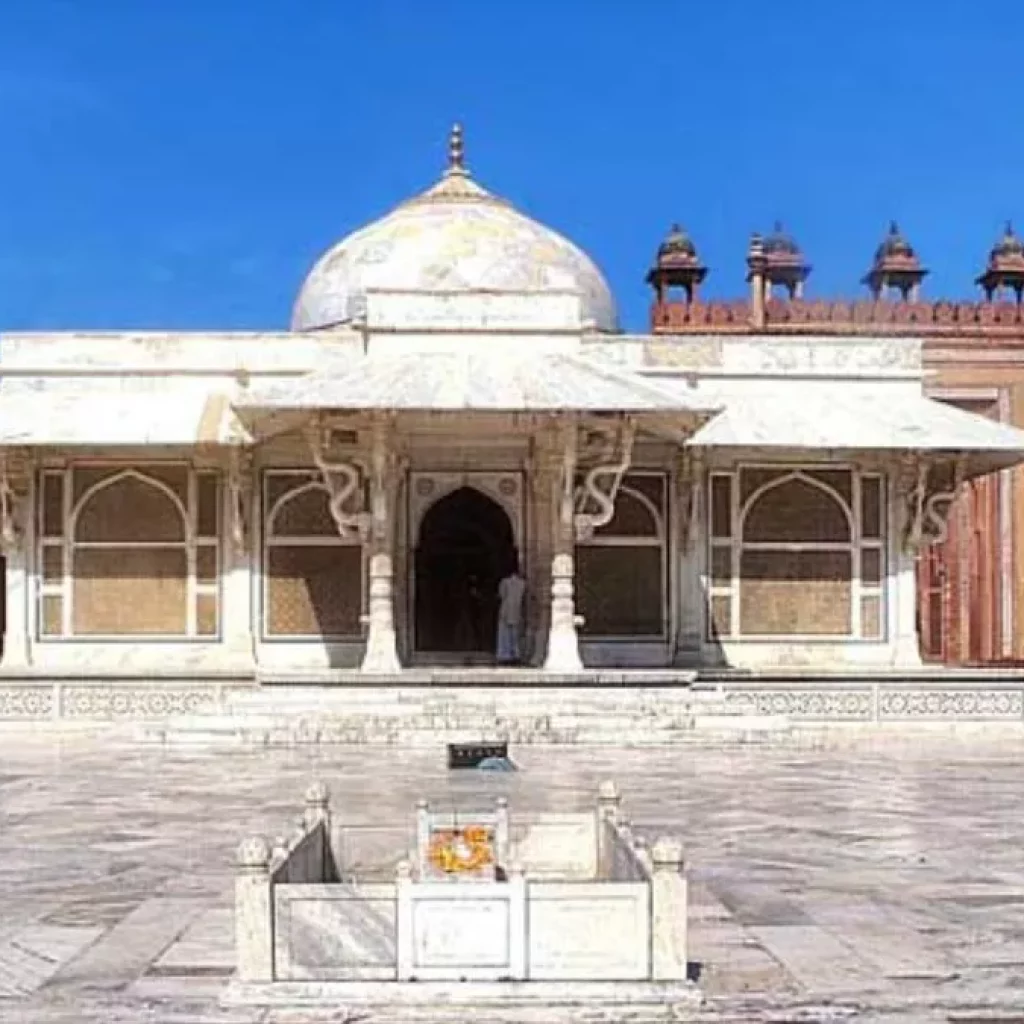
But Fatehpur Sikri’s glory was ephemeral. Due to water scarcity, the capital was abandoned, its halls and corridors left to the sands of time. Yet, within its faded walls, a captivating beauty remains. The red sandstone still glows in the sunlight, and the intricate carvings whisper tales of the empire’s golden age.
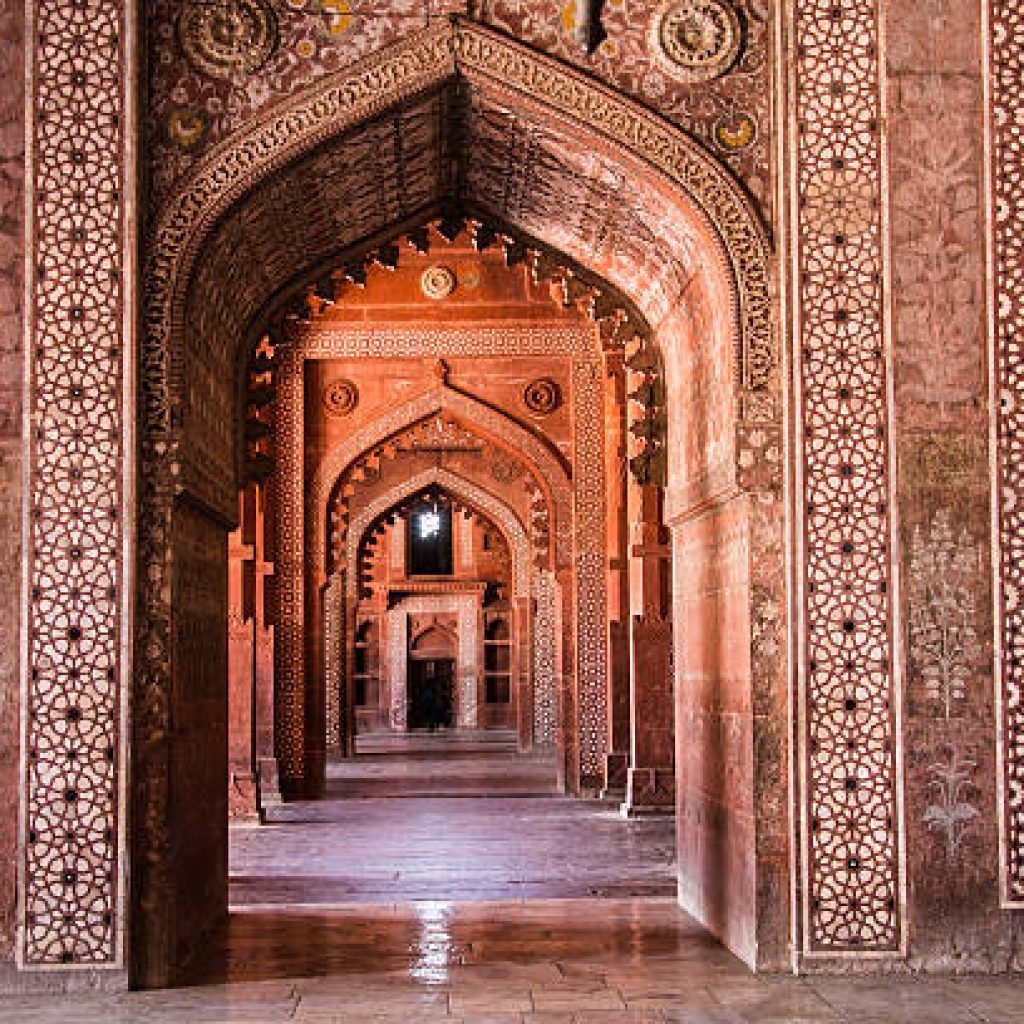
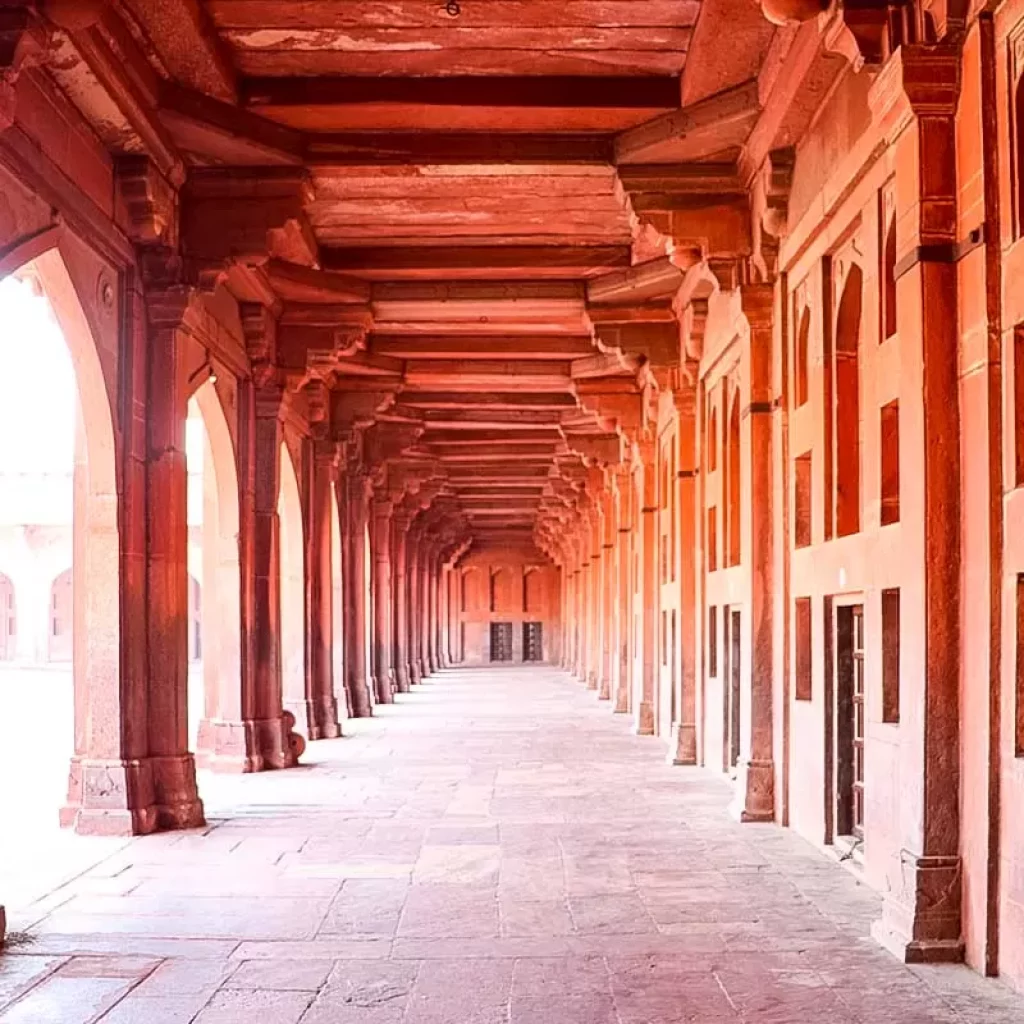
Today, visitors wander through Fatehpur Sikri’s labyrinthine paths, their hearts captivated by its poignant beauty. They imagine the hustle and bustle of bygone eras, the echoes of laughter and the weight of history that once filled these streets.
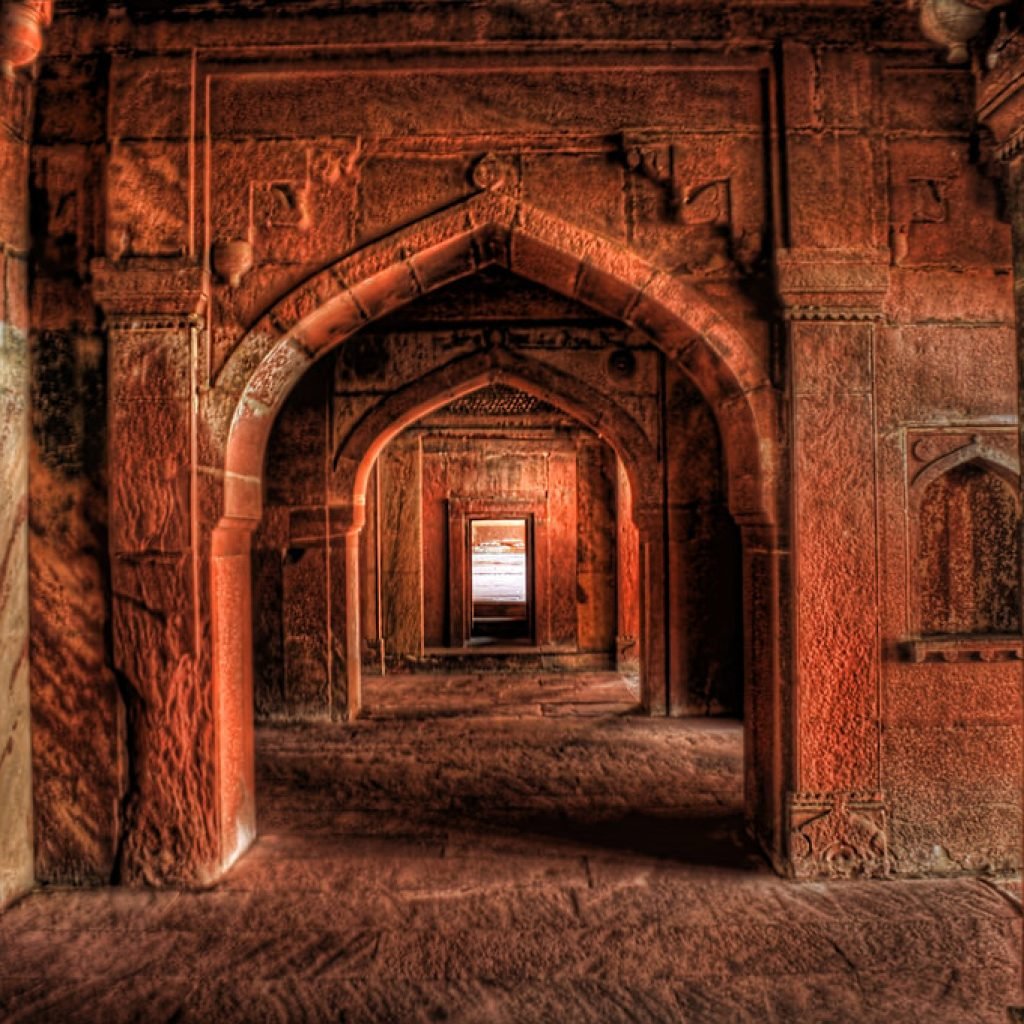
Fatehpur Sikri stands as a testament to the indomitable spirit of the Mughal Empire, a haunting reminder of the rise and fall of kingdoms. It is a place where history and imagination converge, where the past comes alive and whispers its secrets to those who listen.
Itimad-ud-Daulah’s Tomb
Amidst the serene banks of the Yamuna River, a hidden gem awaits—Itimad-ud-Daulah’s Tomb. This delicate mausoleum tells a tale of love and devotion, crafted in pristine white marble.
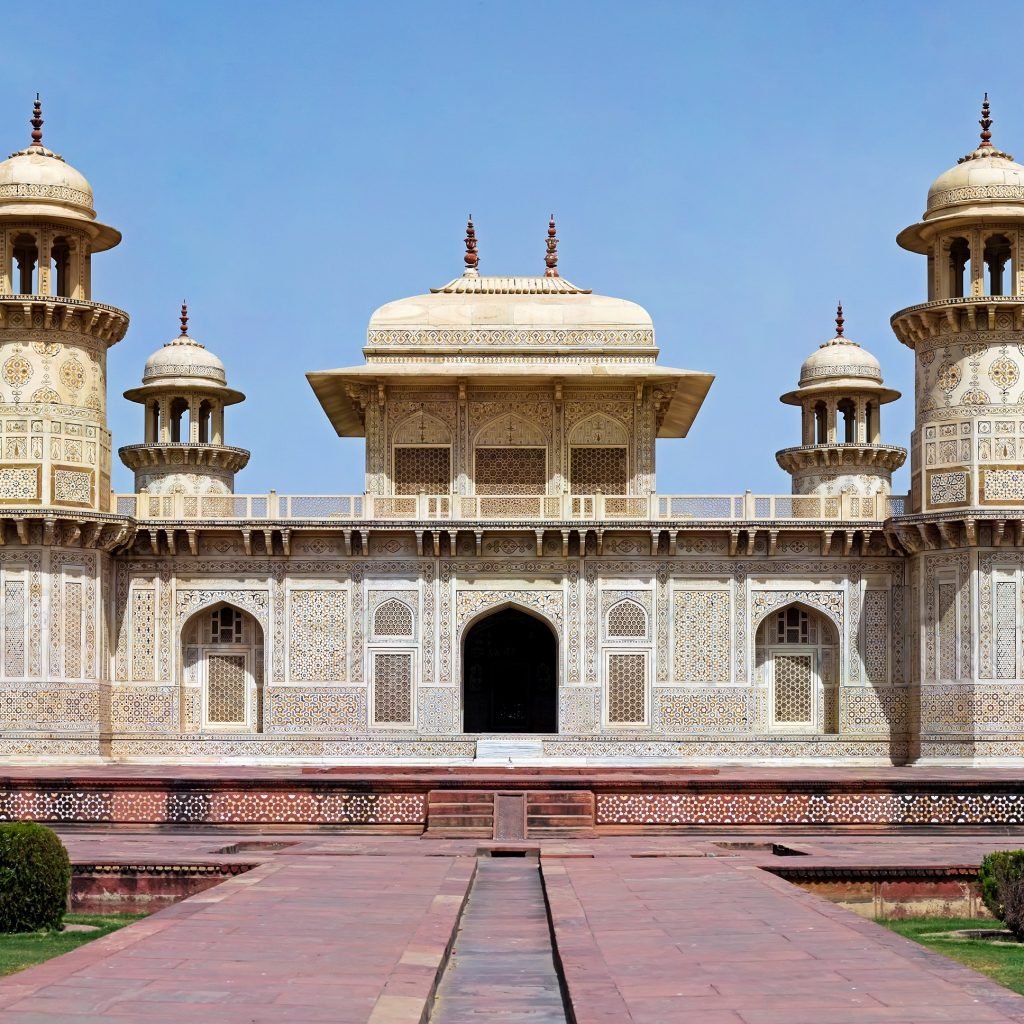
Commissioned by Empress Nur Jahan, the tomb is a tribute to her beloved father, Itimad-ud-Daulah. As you step into the exquisite gardens, a sense of tranquility embraces you.
The tomb rises like a dream, adorned with intricate carvings and delicate inlays. Its elegant proportions and symmetrical design make it a precursor to the iconic Taj Mahal.
Inside, the soft light filters through the marble screens, creating a mesmerizing play of shadows. The delicate lattice work and floral motifs dance upon the walls, showcasing the artistry of the Mughal era.
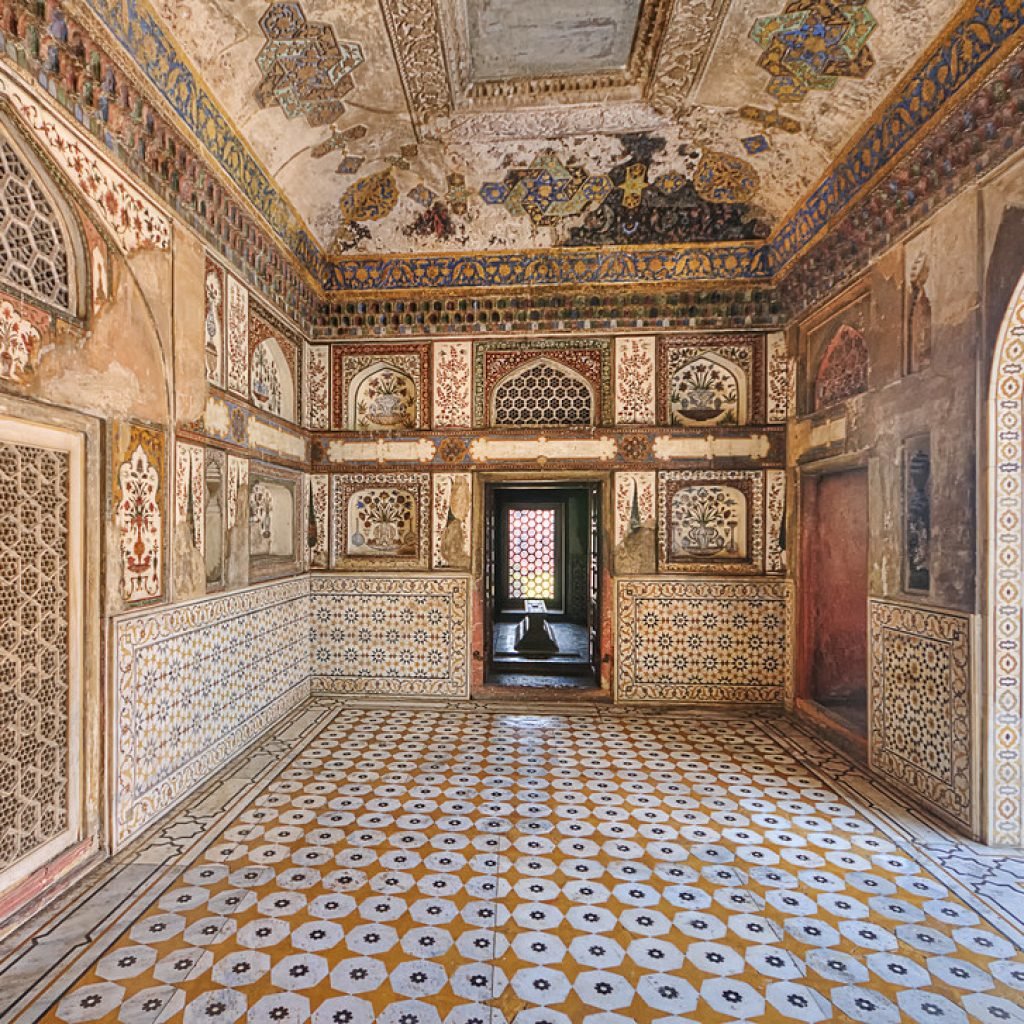
As you wander through the corridors, you can almost feel Empress Nur Jahan’s love for her father. The precious stones embedded in the marble shimmer like tears of affection, honoring his memory.
From the rooftop terrace, a breathtaking view unfolds—overlooking the Yamuna River, the cityscape of Agra emerges. Itimad-ud-Daulah’s Tomb stands as a silent witness, its beauty resonating with the whispers of history.
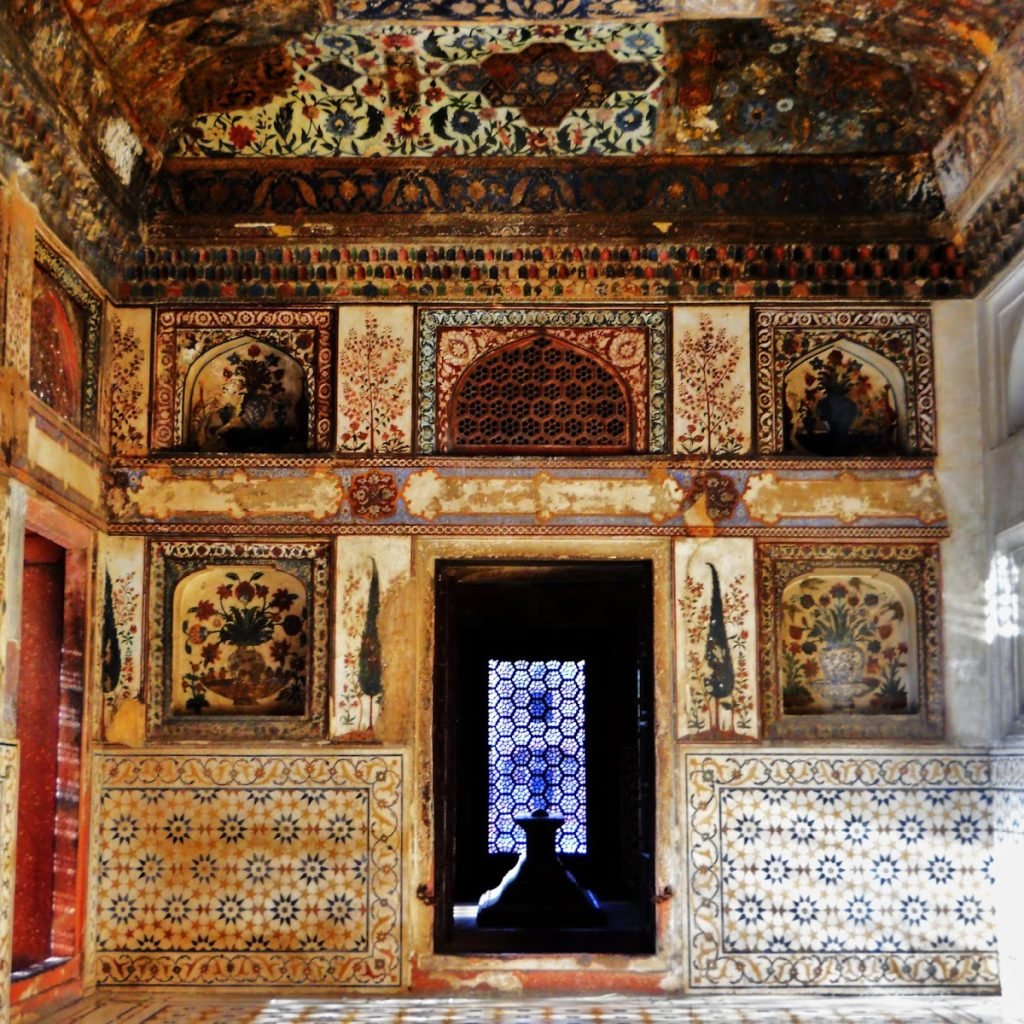
Though smaller in scale compared to its famous counterparts, the tomb’s elegance and intricate craftsmanship captivate all who visit. Itimad-ud-Daulah’s Tomb is a testament to the artistry and devotion of the Mughal era, an exquisite jewel hidden along the historical tapestry of Agra.
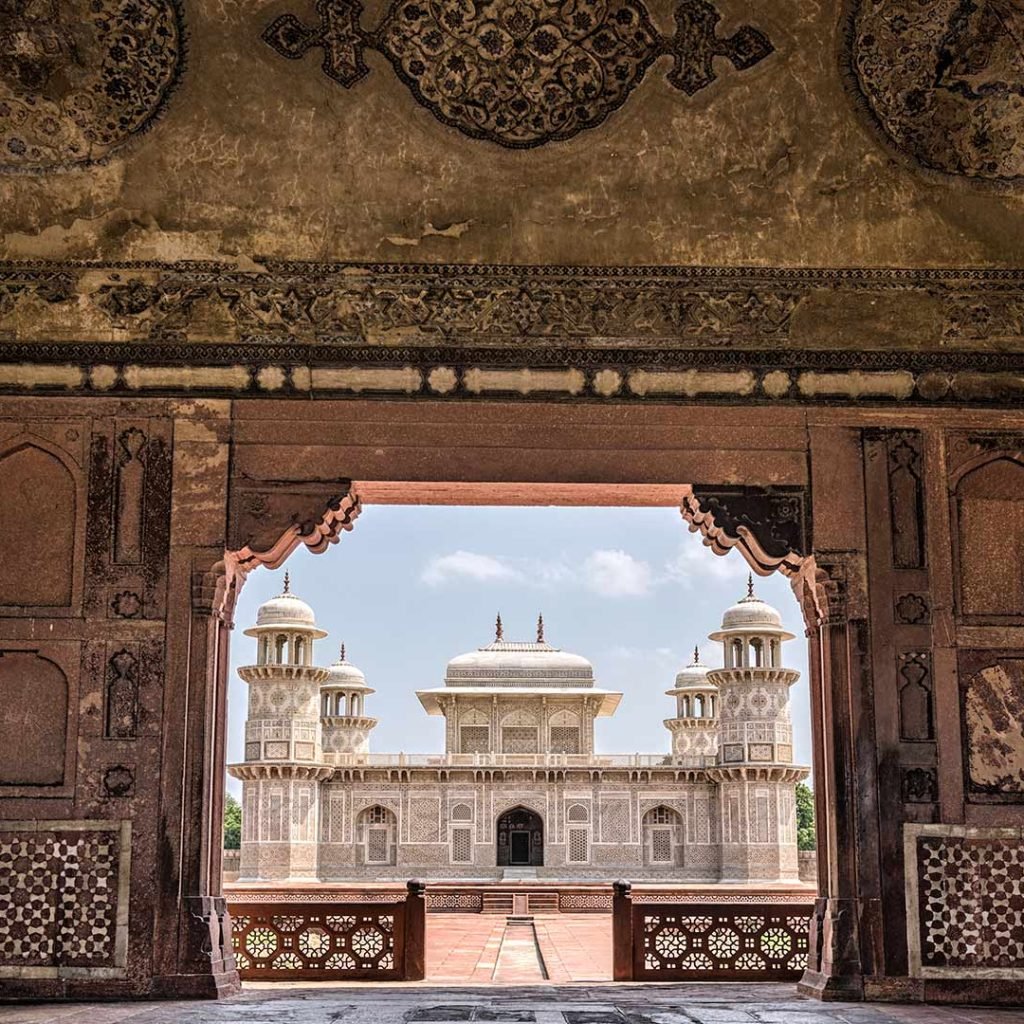
As you bid farewell to this architectural gem, you carry with you the stories of love and remembrance that echo within its walls. Itimad-ud-Daulah’s Tomb, a treasure awaiting discovery, leaves an indelible impression upon your heart, forever entwined with the beauty of Agra’s rich heritage.